Traveling to Oman in November opens the door to one of the most fascinating destinations in the Middle East, especially for travelers looking for culture, sunshine, and a calm yet luxurious atmosphere. Oman is a large and diverse country with several regions, each offering different landscapes and climate conditions depending on the time of year. November is considered one of the best months to visit Oman, particularly the area around Muscat, where visitors can enjoy sunny weather without extreme heat.
Flights, Visa, Culture & What to Know Before You Go
When planning a trip to Oman, it is highly recommended to check flight options carefully, including possible stopovers. Indirect routes can often be significantly cheaper and add extra experiences to the journey. Flying from Germany via Abu Dhabi, for example, allows travelers to save money while combining two destinations in one trip.
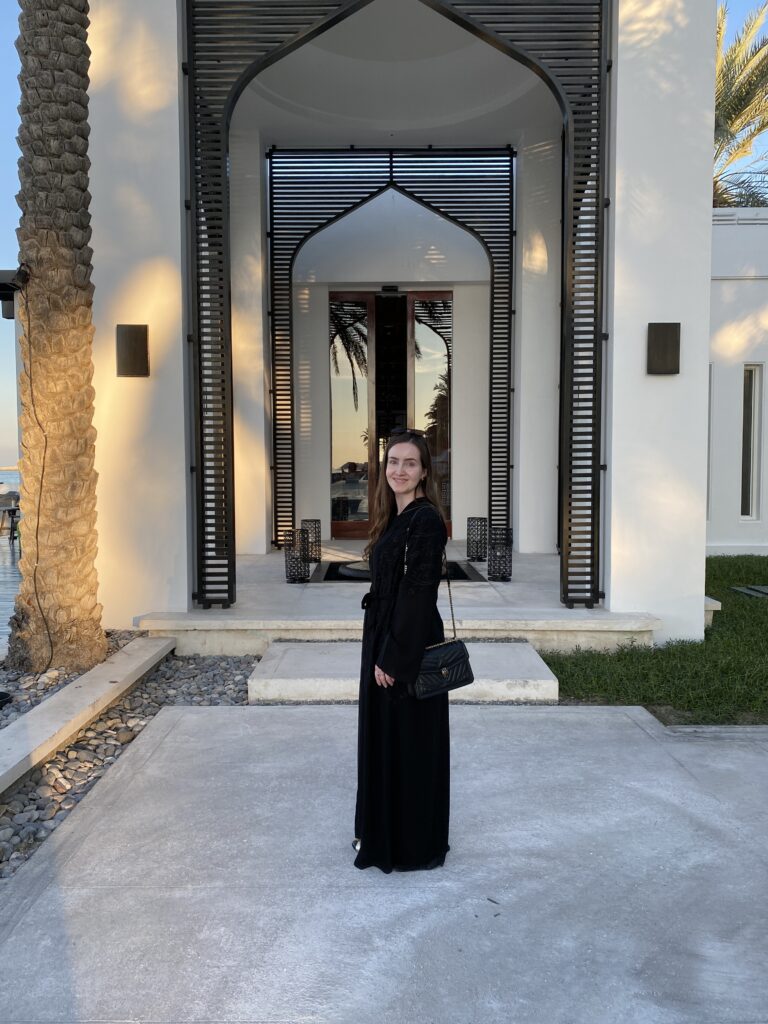
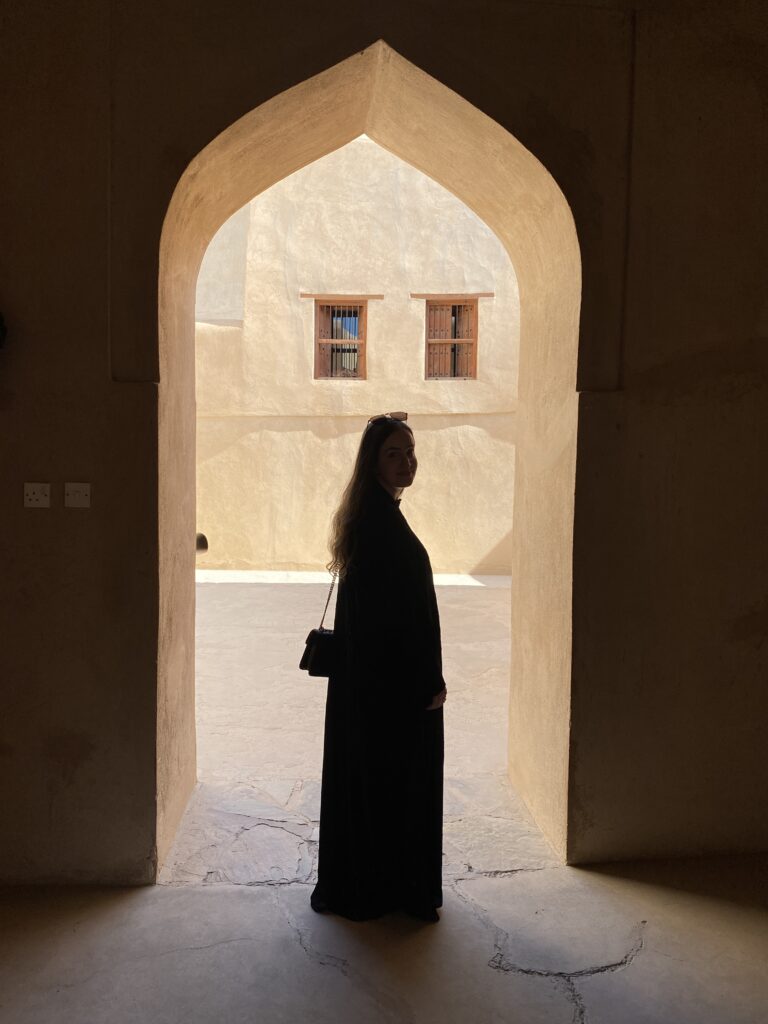
Before traveling, it is important to be aware that Oman is a conservative country with strict regulations. Services such as WhatsApp video and audio calls are banned, and VPN usage requires specific approval. Most travelers will also need a visa, which can usually be requested online through the official Oman eVisa platform. Respectful clothing is essential, especially for women, and covering shoulders, arms, and legs is considered self-evident and respectful within Omani culture.
Transportation in Oman comes with its own set of rules. A regular taxi from Muscat International Airport to the hotel is possible, but English is not widely spoken, which can make communication challenging. Installing the O-Taxi app is highly recommended, as it offers access to official and cheaper taxis. However, the installation of this app with a foreign mobile number is slightly challenging and strict taxi regulations apply: standard O-Taxis are not allowed to pick up guests directly at hotels. Travelers must walk outside hotel grounds to a public road. Only blue taxis and selected Uber vehicles are permitted to pick up directly at hotels. While blue taxis are more expensive, they are also the most convenient option.
Another factor to keep in mind when traveling to Oman is tourism tax. Additional taxes apply to hotel stays, food, and services, and these charges are added afterward and clearly listed on bills. Budgeting slightly more than expected ensures a stress-free and pleasant stay.
The Chedi Muscat: Luxury, Tradition and Serenity in the Heart of Oman
Once fully prepared, Oman feels like stepping into another world shaped by traditional Islamic culture. Instead of towering skyscrapers, the country impresses with dramatic mountains, preserved historic buildings, and harmonious architecture. Staying in Muscat offers the perfect balance between culture, relaxation, and comfort.
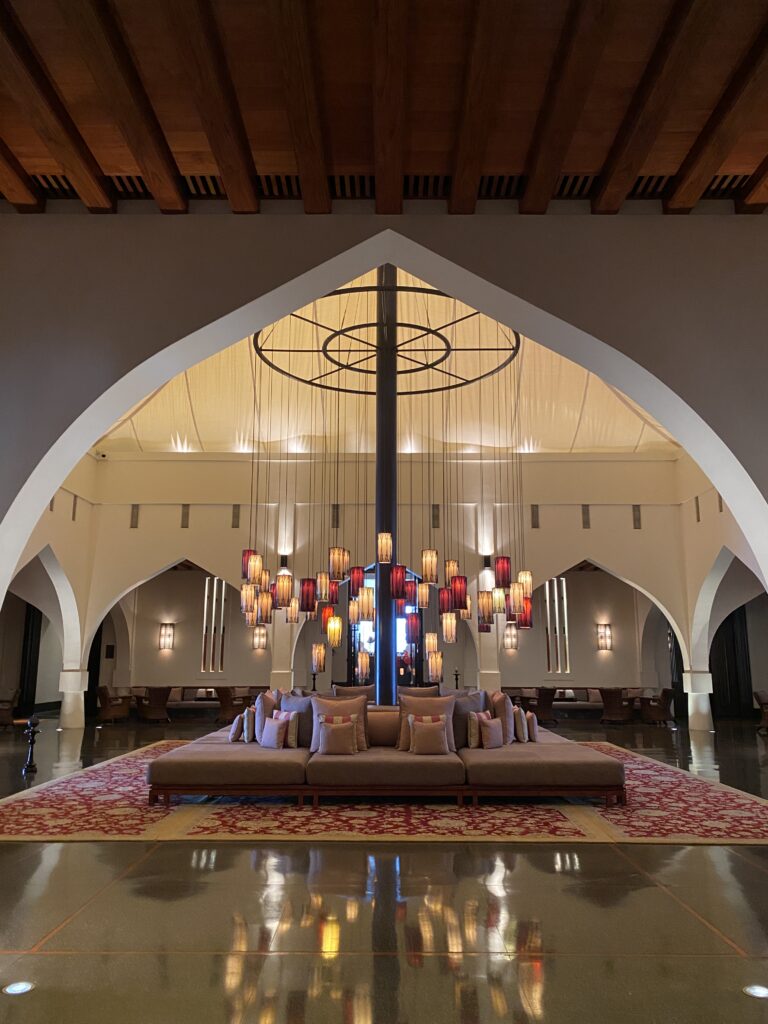
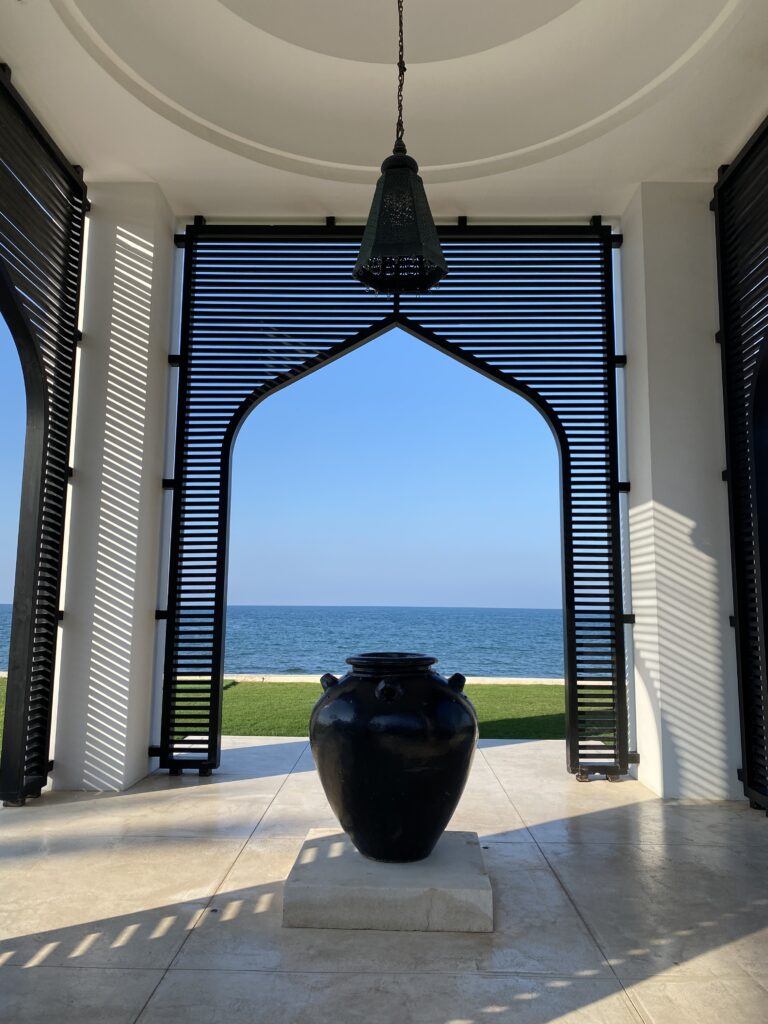
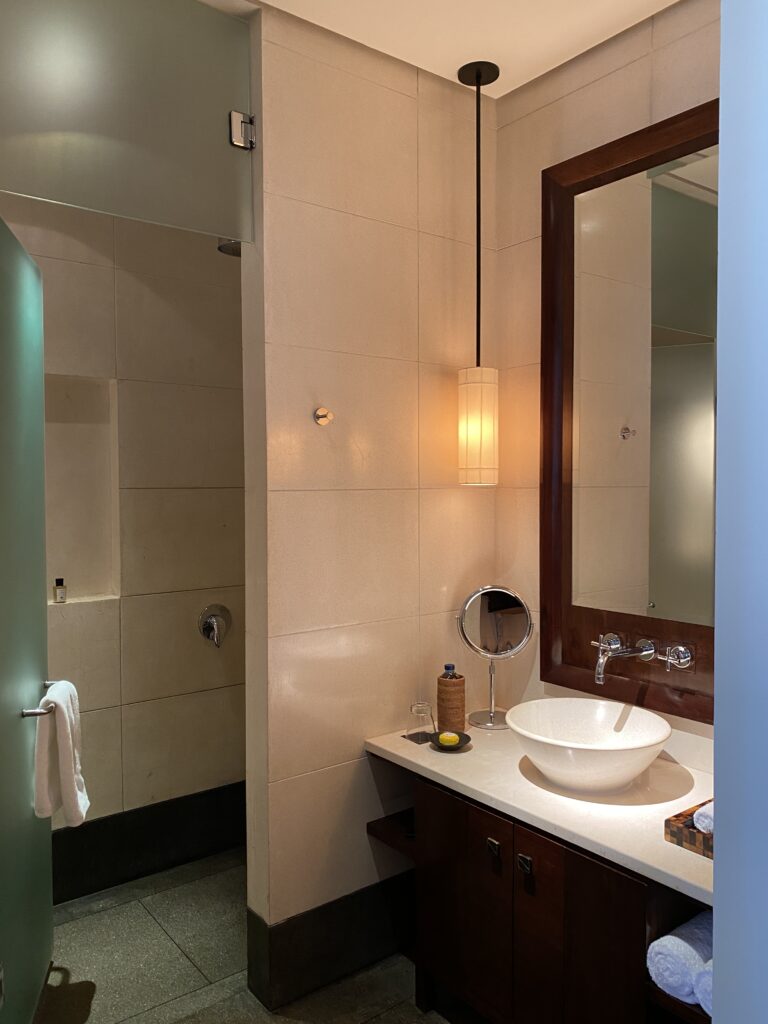
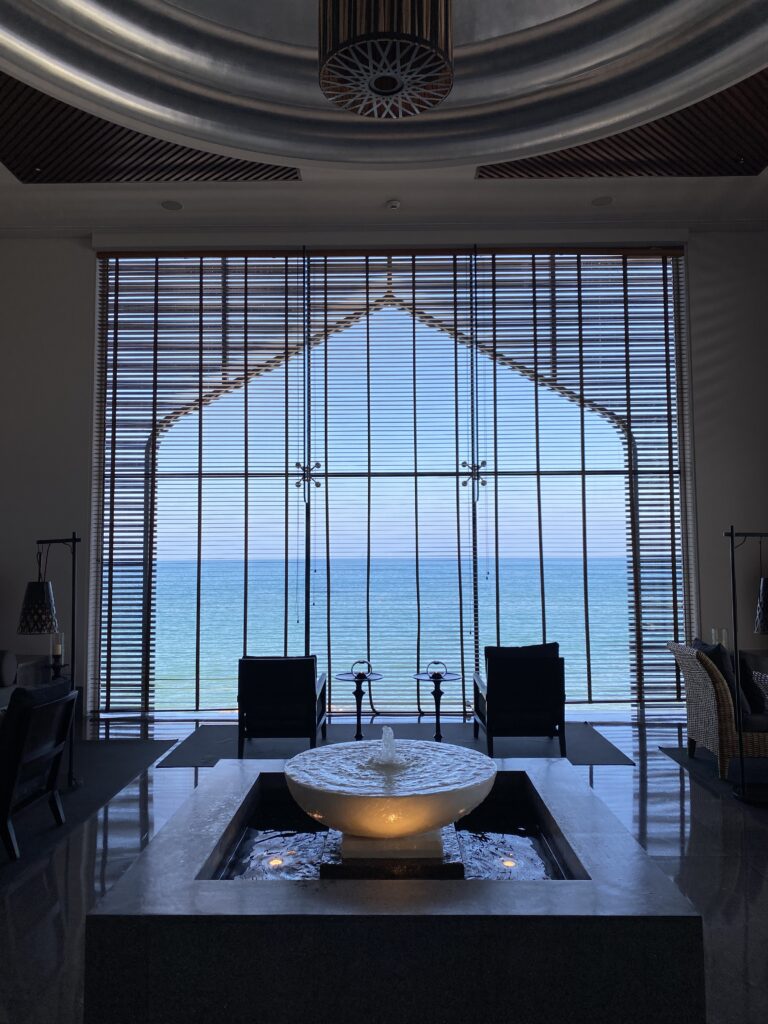
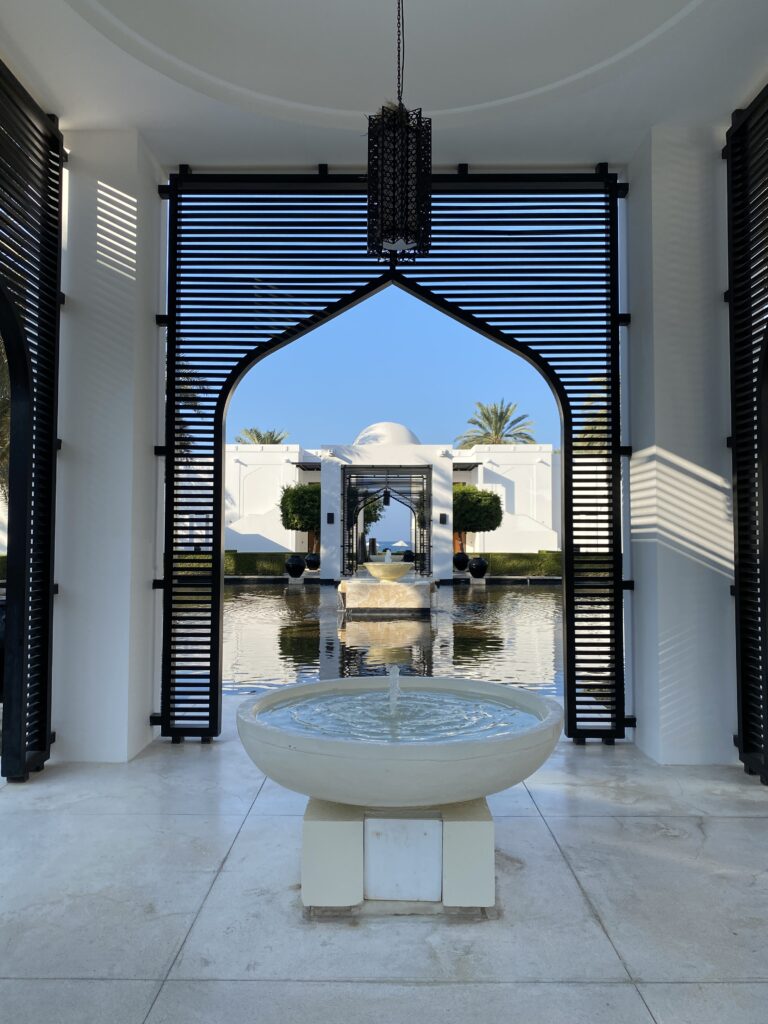
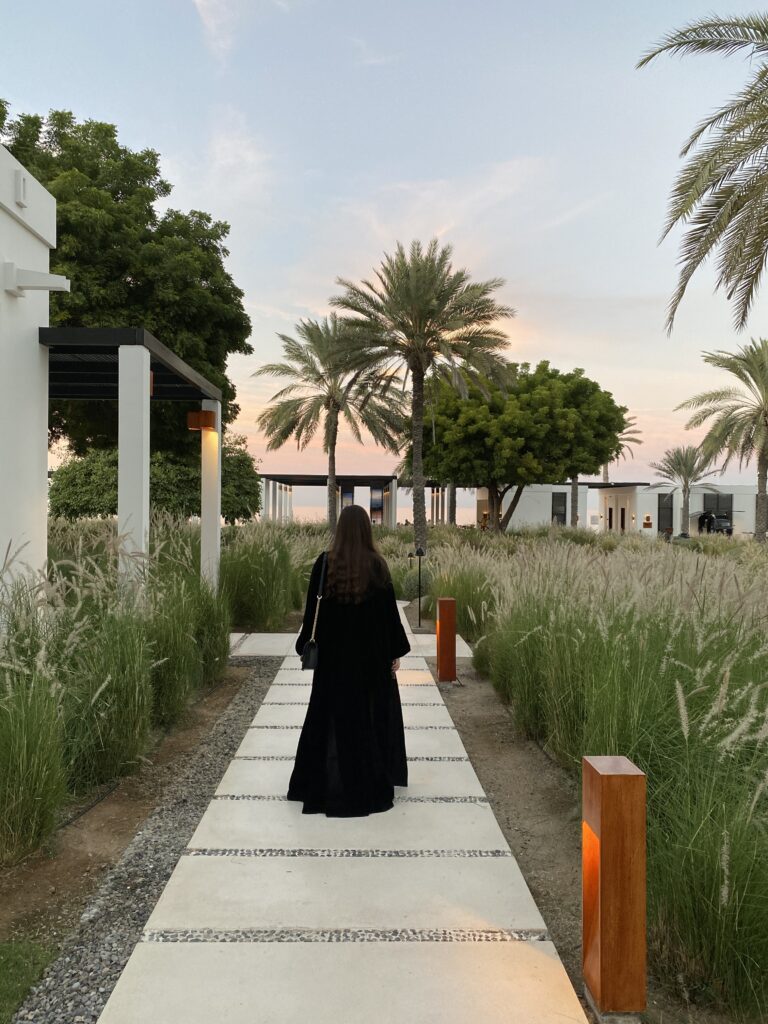
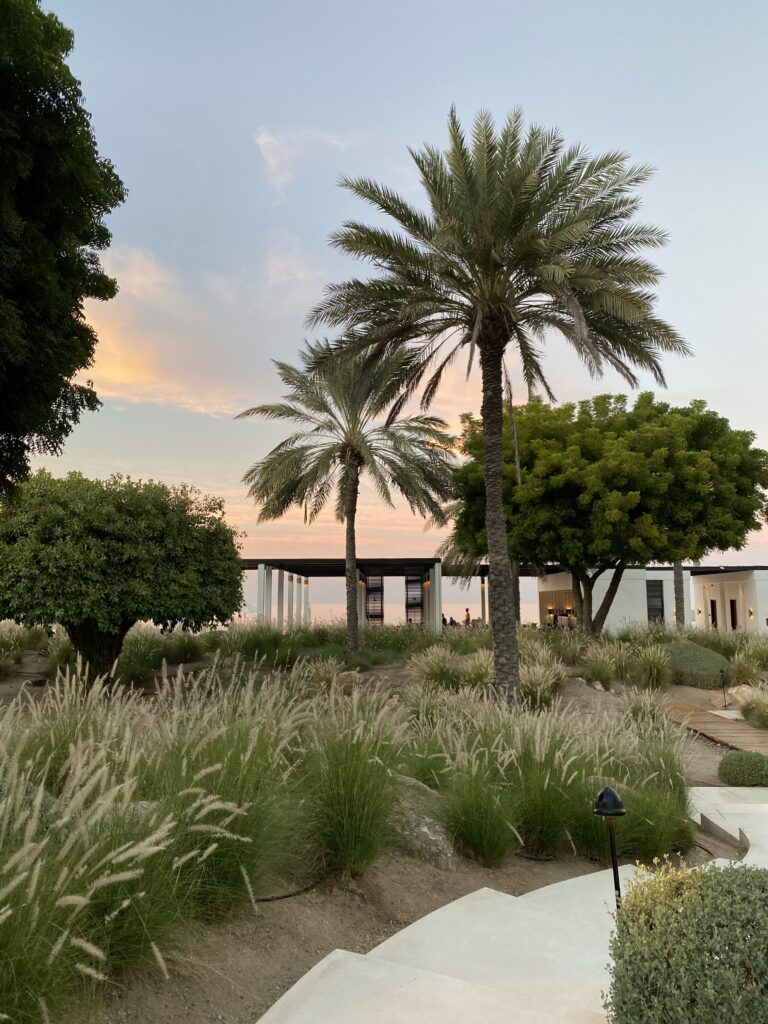
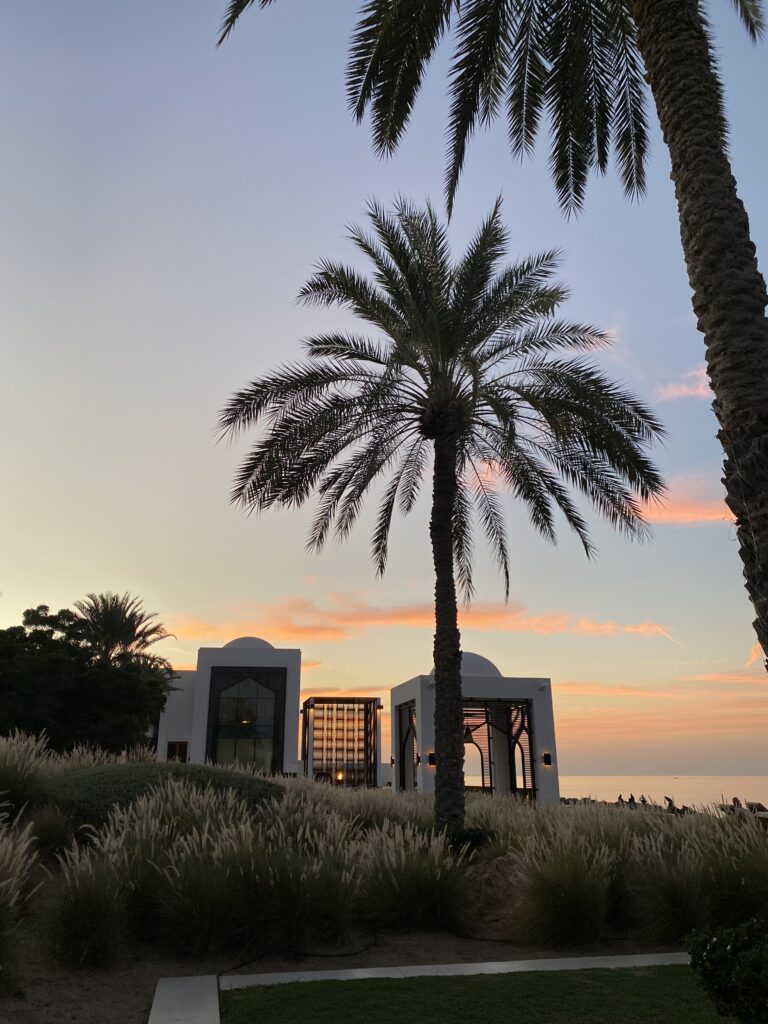
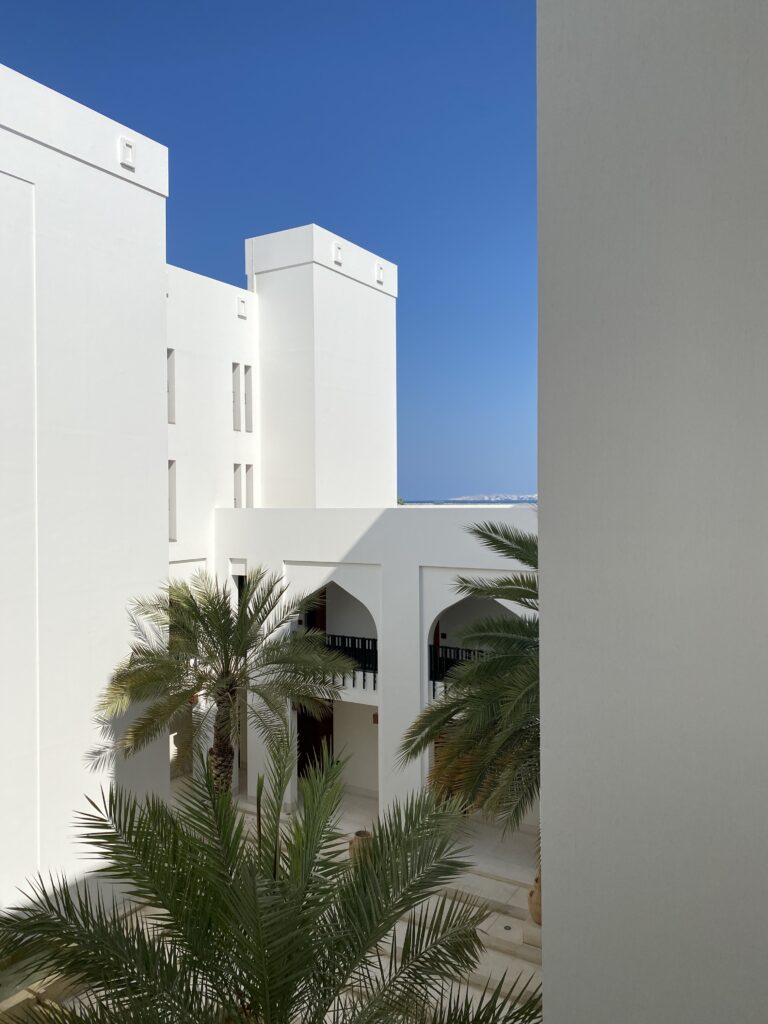
One of the most iconic luxury hotels in Muscat is The Chedi Muscat, located near the famous Sultan Qaboos Grand Mosque. As one of the oldest luxury hotels in the country, it stands out for its elegant design, excellent maintenance, and strong connection to local culture. Guests are welcomed with a refreshing drink, entering an impressive hall inspired by tent architecture. Like all Chedi hotels, the atmosphere is luxurious, calm, and filled with signature scents, complemented by Acqua di Parma body care products in the rooms.
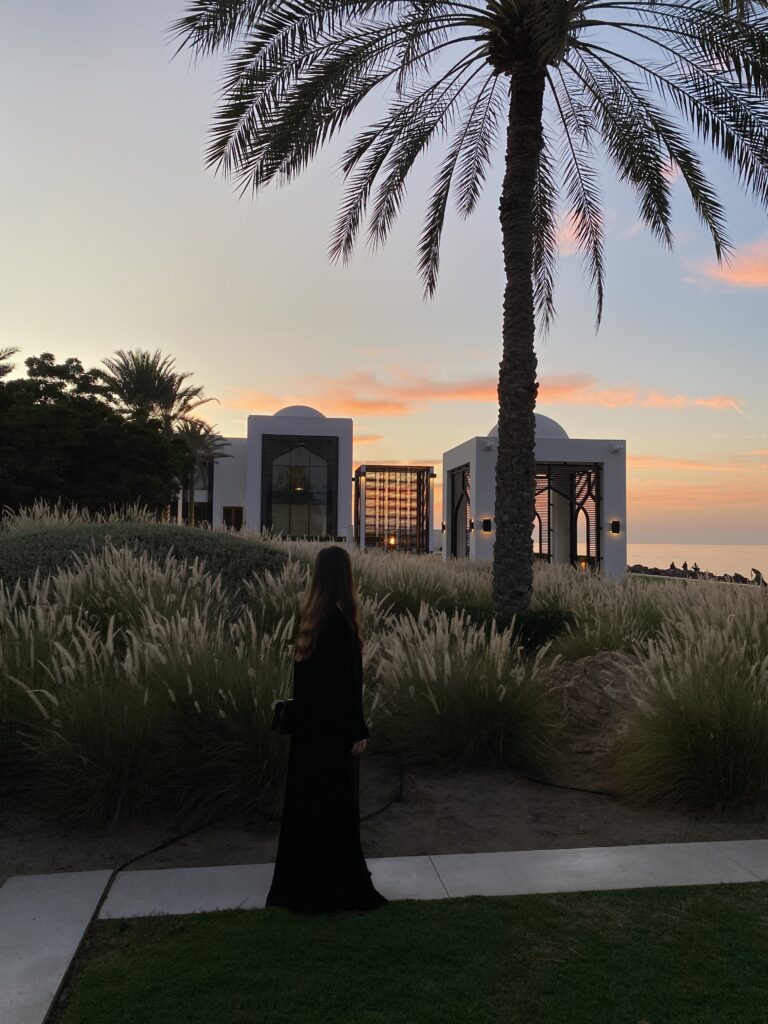
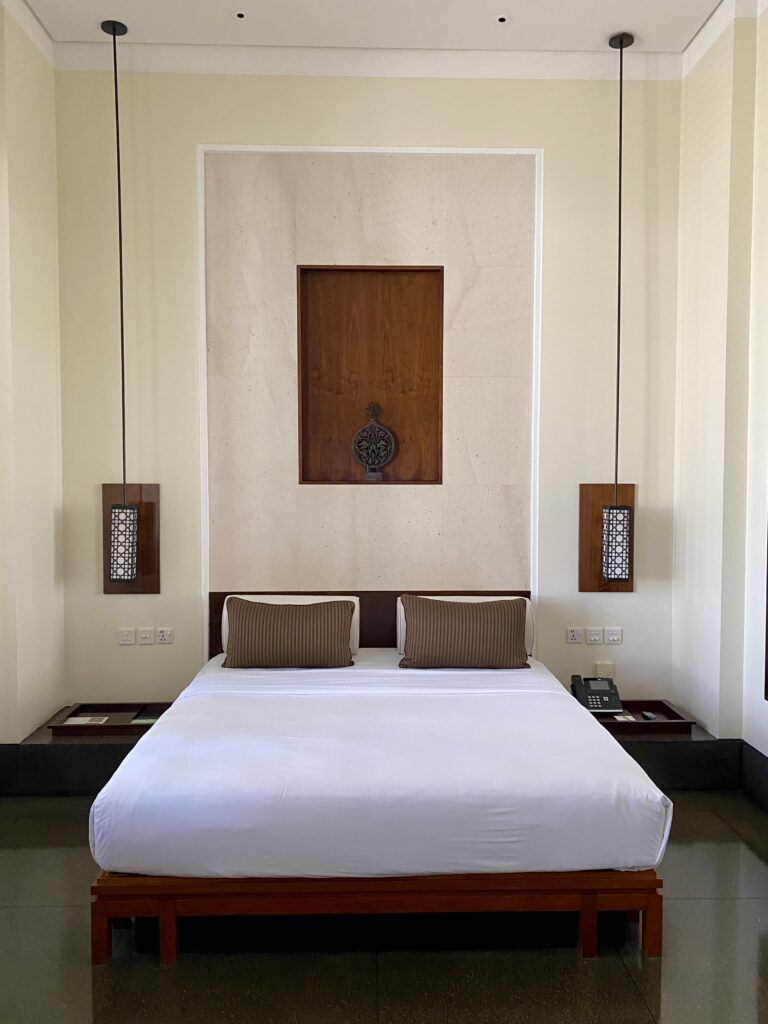
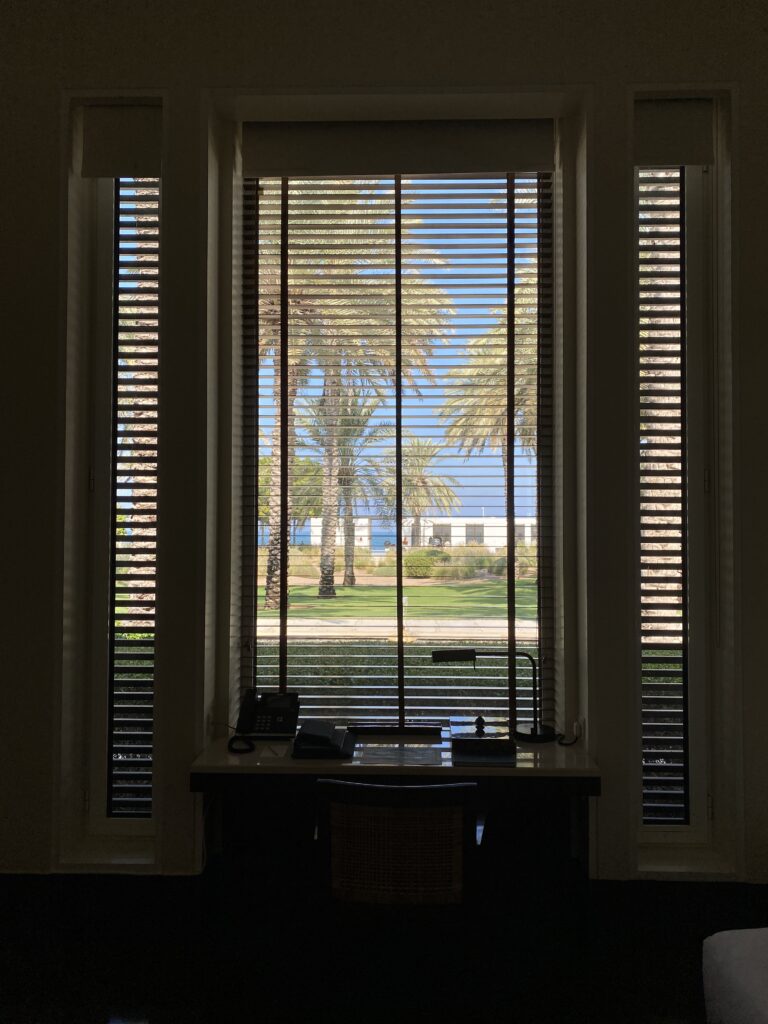
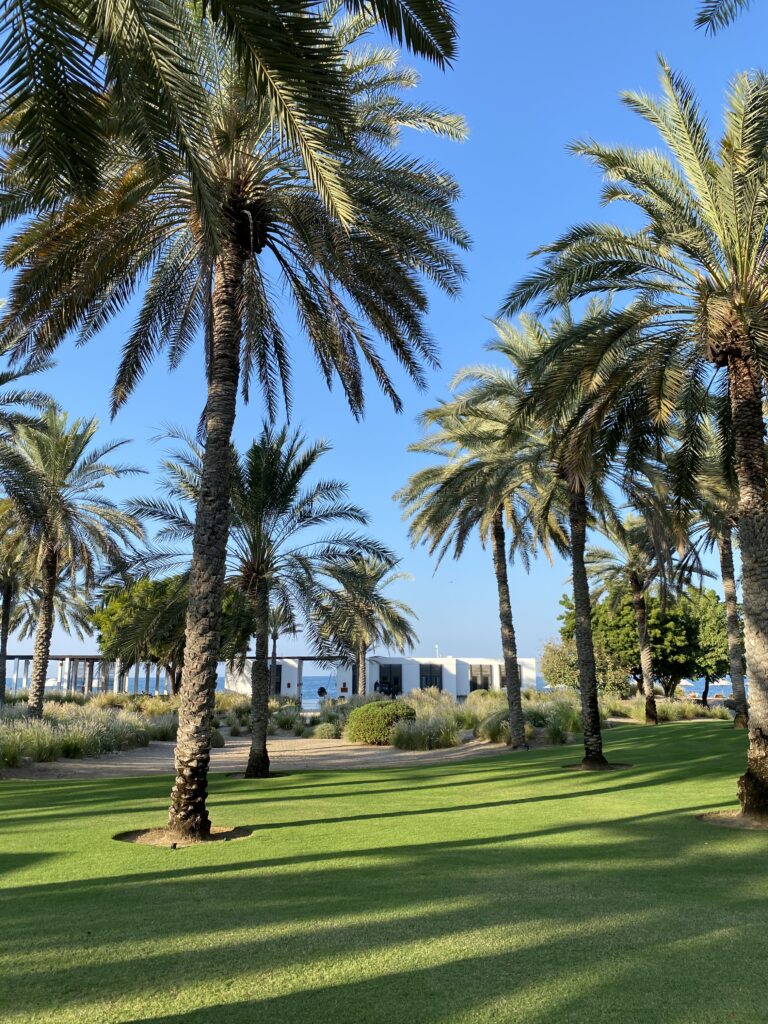
Club rooms with garden views offer a peaceful setting with glimpses of the beach behind the trees. The call to prayer could be heard softly throughout the day and in the early morning. Personally, this was one of my favorite aspects of staying in Muscat. The sound felt calming, grounding, and deeply authentic. In my opinion, it could easily be turned up a bit more, as it is a beautiful and meaningful way to wake up and fully immerse in Omani culture.
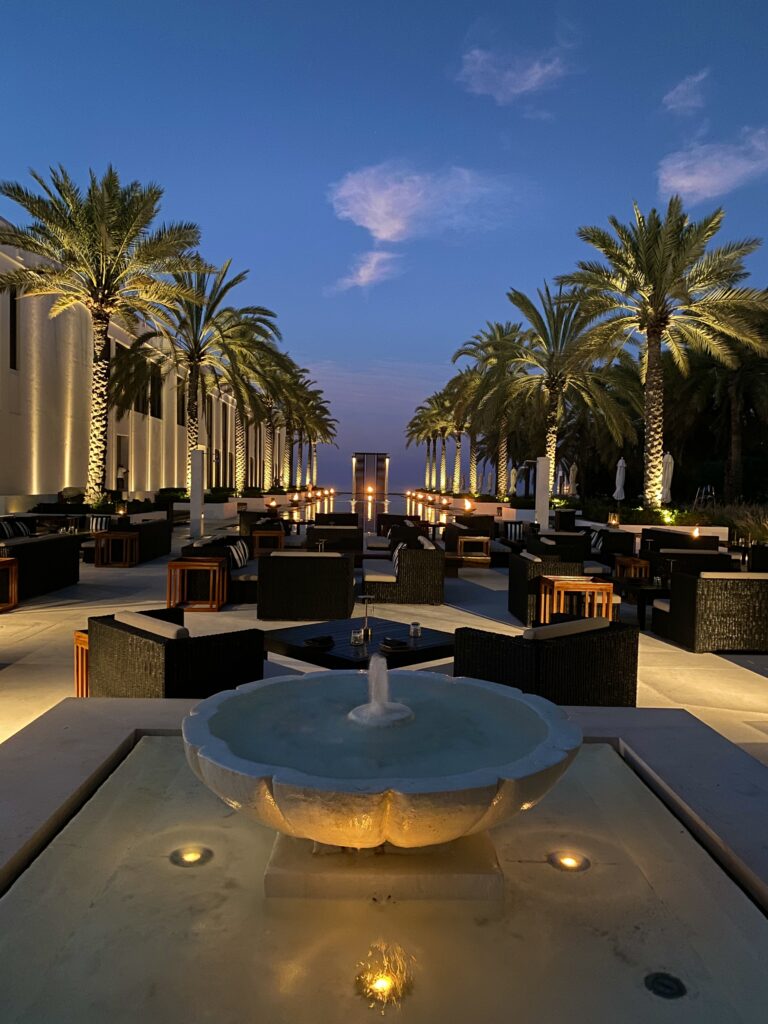
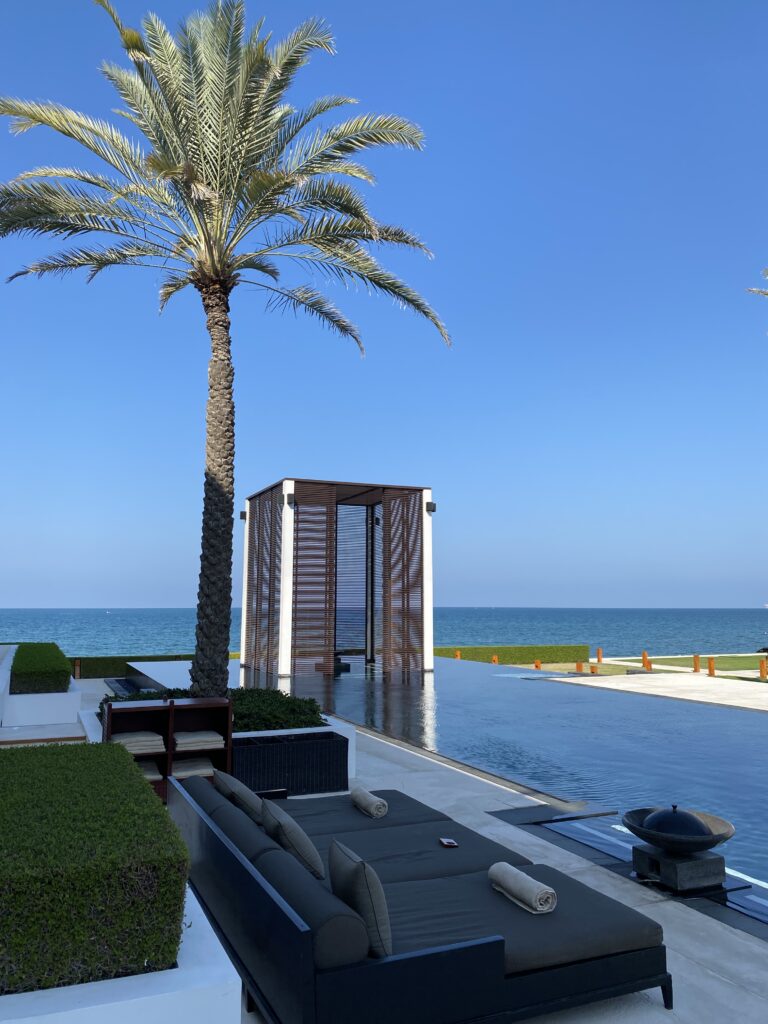
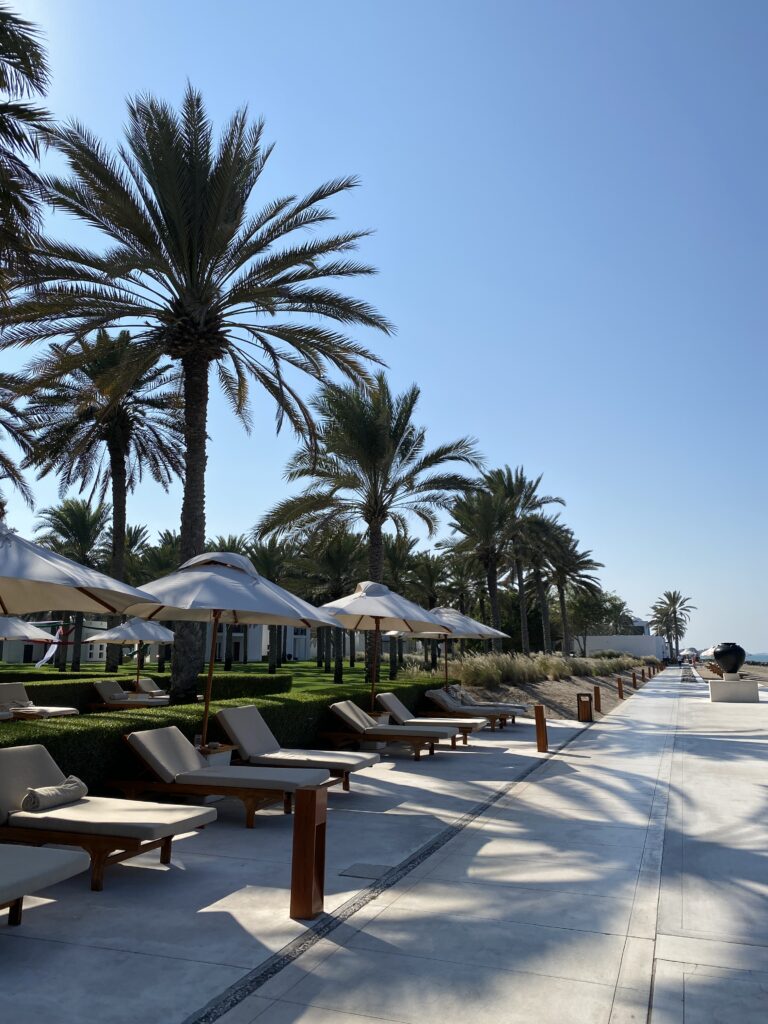
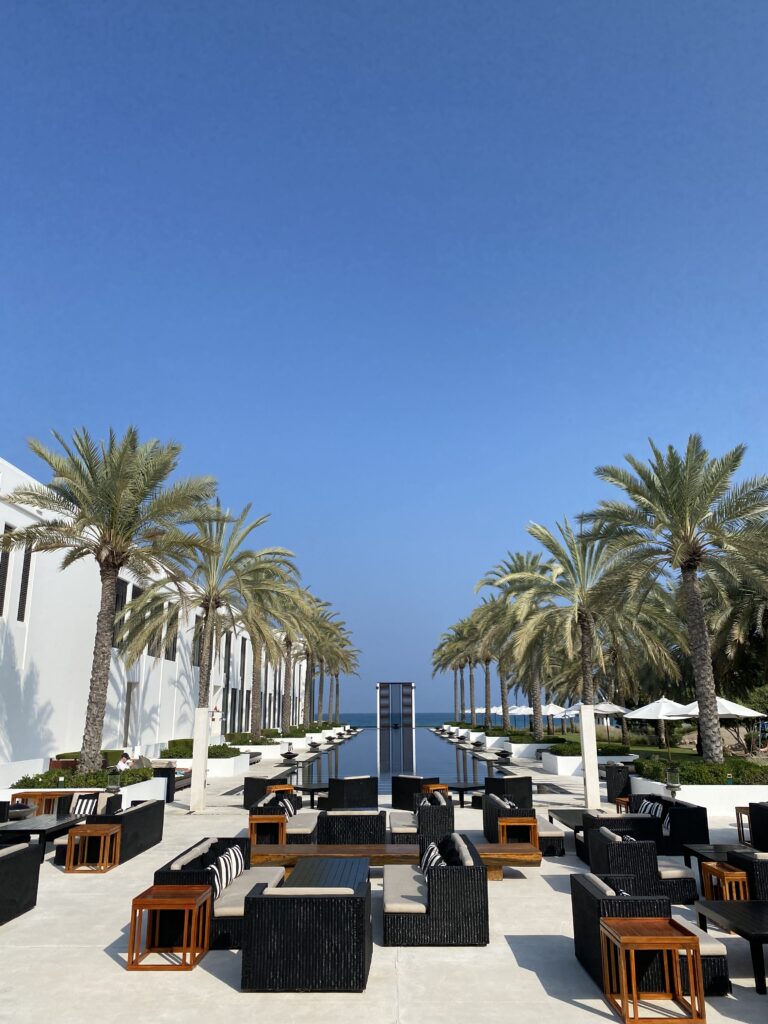
The staff at The Chedi Muscat are outstanding and attentive, always striving to fulfill guests’ wishes. A surprising detail is the high number of German tourists. While the hotel experience is excellent overall, breakfast is slightly less impressive compared to other Chedi locations. The buffet-style breakfast offers solid quality but lacks the exceptional standard found elsewhere. Dinner options are also less traditional, leaving room for improvement in showcasing Omani cuisine. On the positive side, the spa experience is highly recommended, especially the massages, and the hotel’s record-breaking long swimming pool is an absolute highlight.
Guided Day Trips in Oman: Forts, Mountains and Hidden Villages
Booking a day trip in advance is highly recommended when traveling through Oman, especially for visitors who want to see more than just the highlights along the main roads. While driving in Oman with a rental car is possible and generally safe, a private tour guide offers a far more convenient and insightful experience. Many hidden sightseeing spots are only accessible with specific vehicles and local knowledge, making guided tours the best choice for travelers who value comfort, safety, and depth.
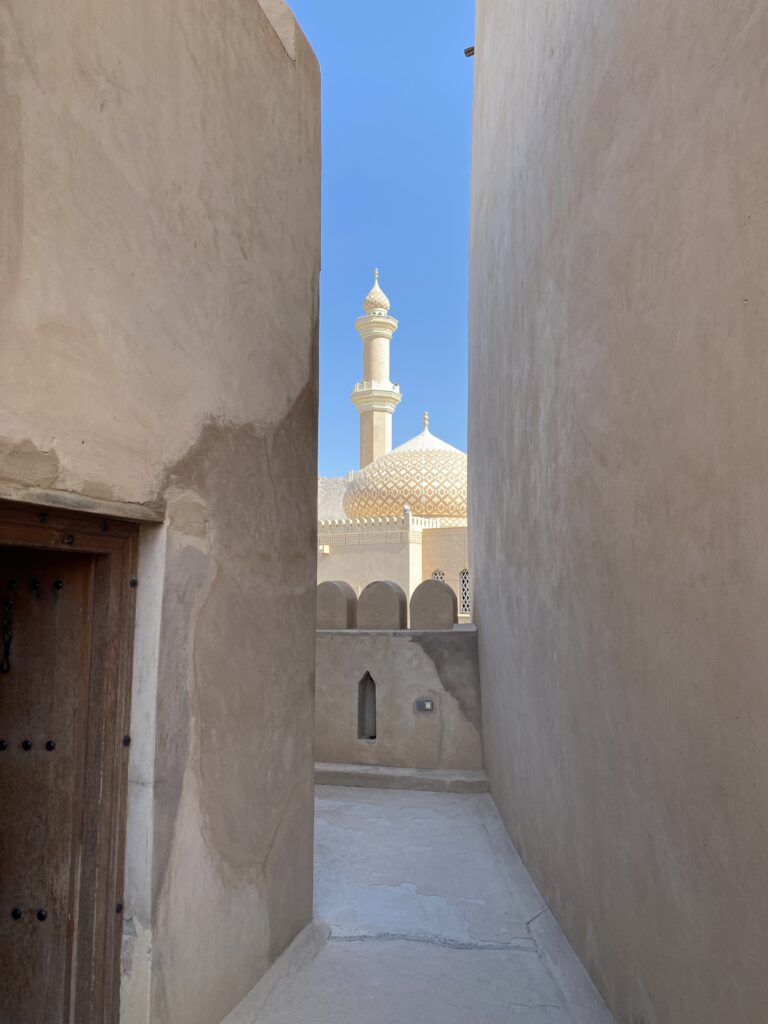
The first day tour focused on Oman’s impressive forts and castles, which reflect the country’s rich history and strategic importance. It is important to bear in mind that there is very little shade at most of these sites. Exploring the forts means spending a lot of time under the sun, so sun protection and sufficient water are essential.
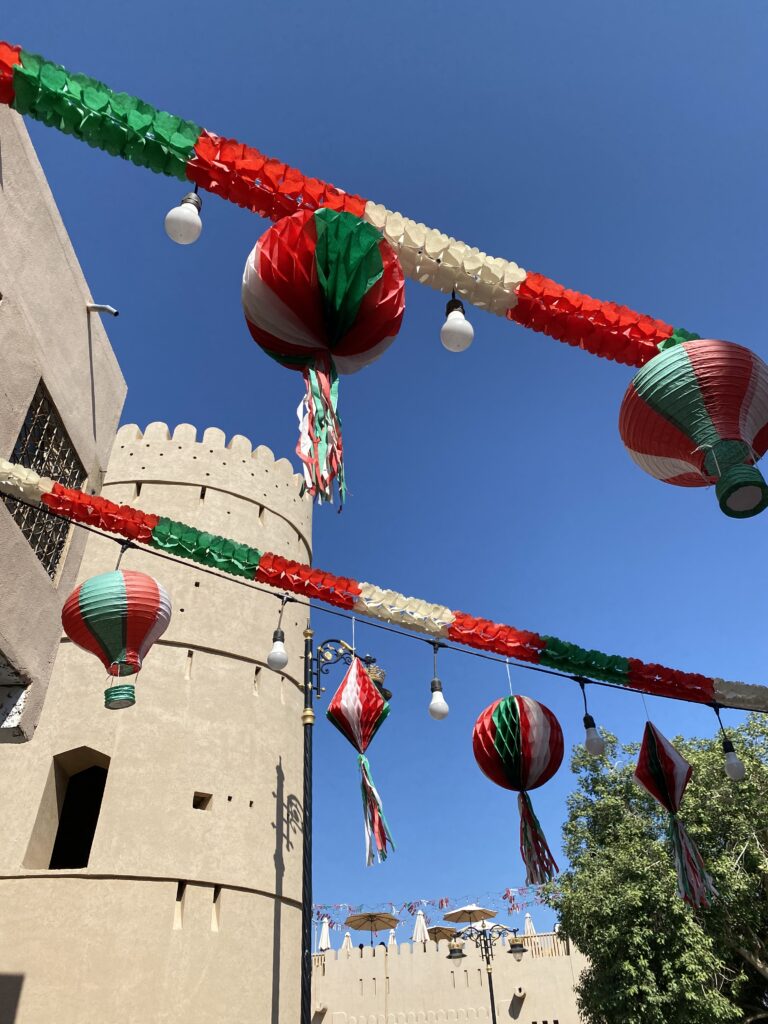
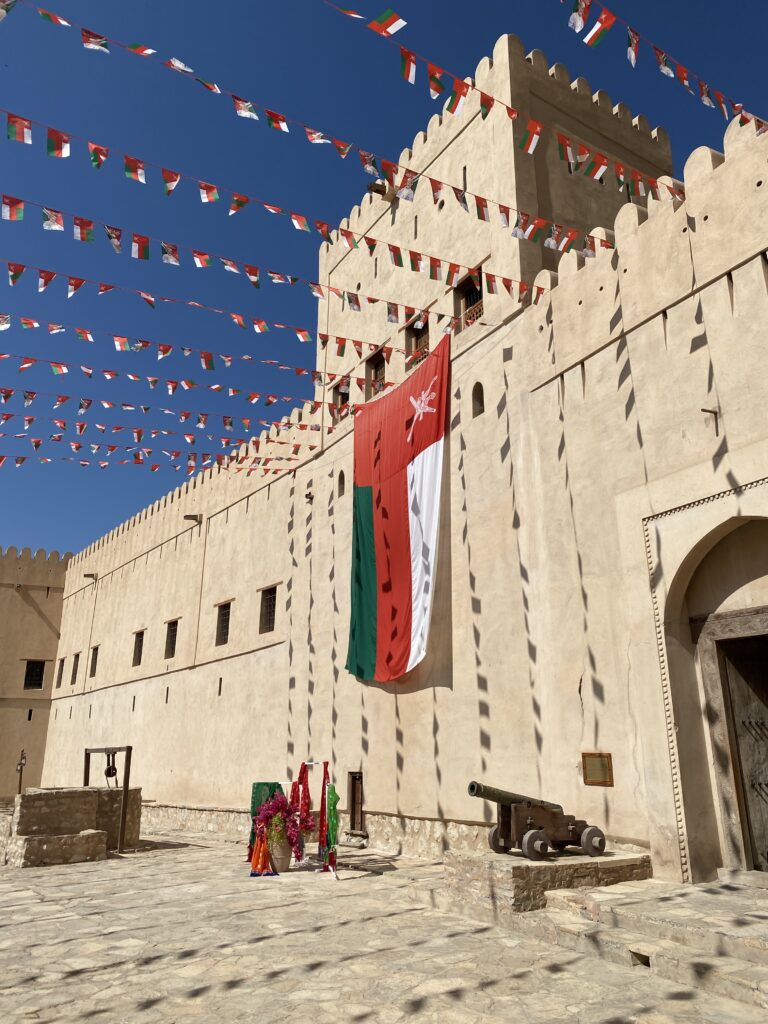
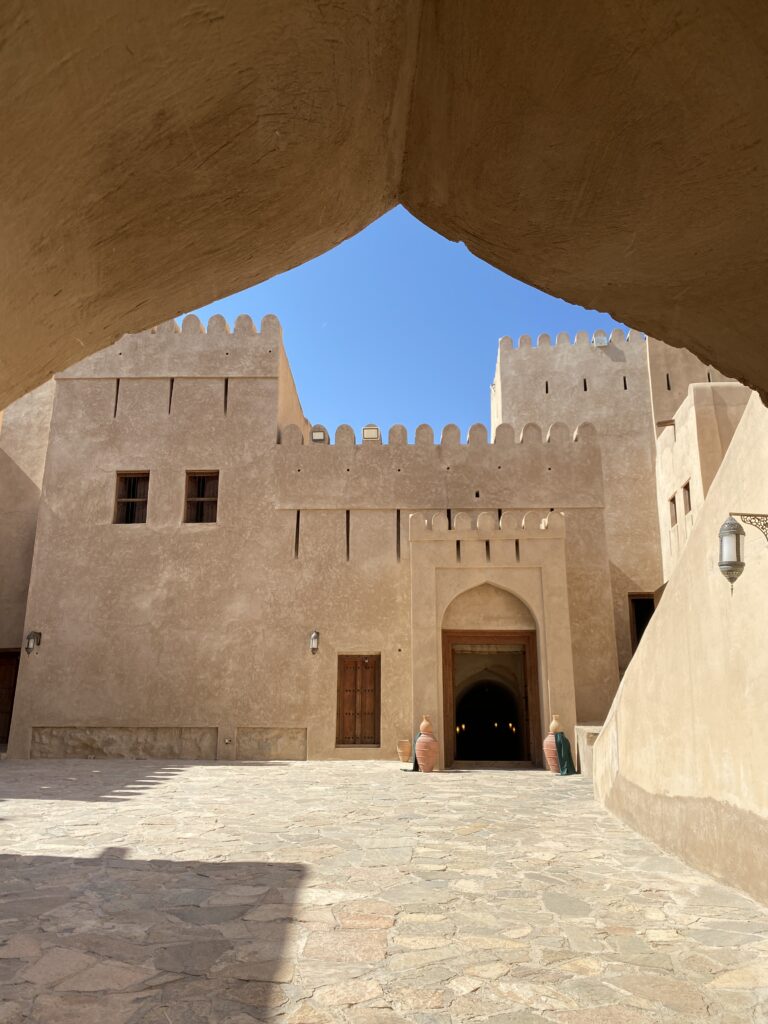
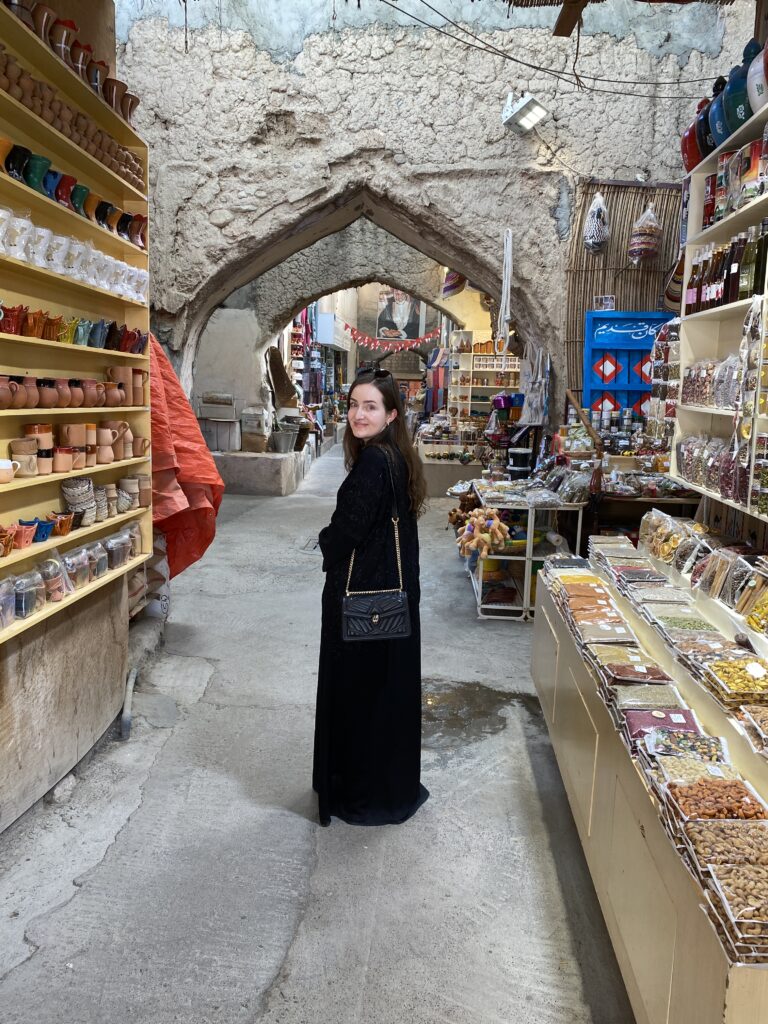
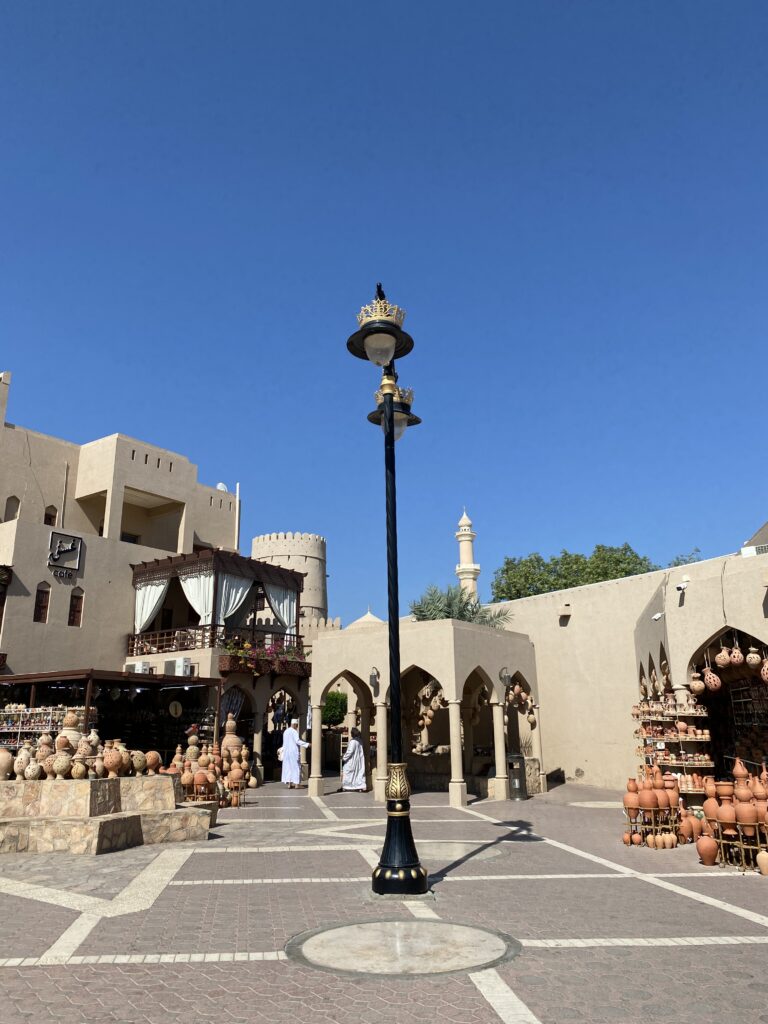
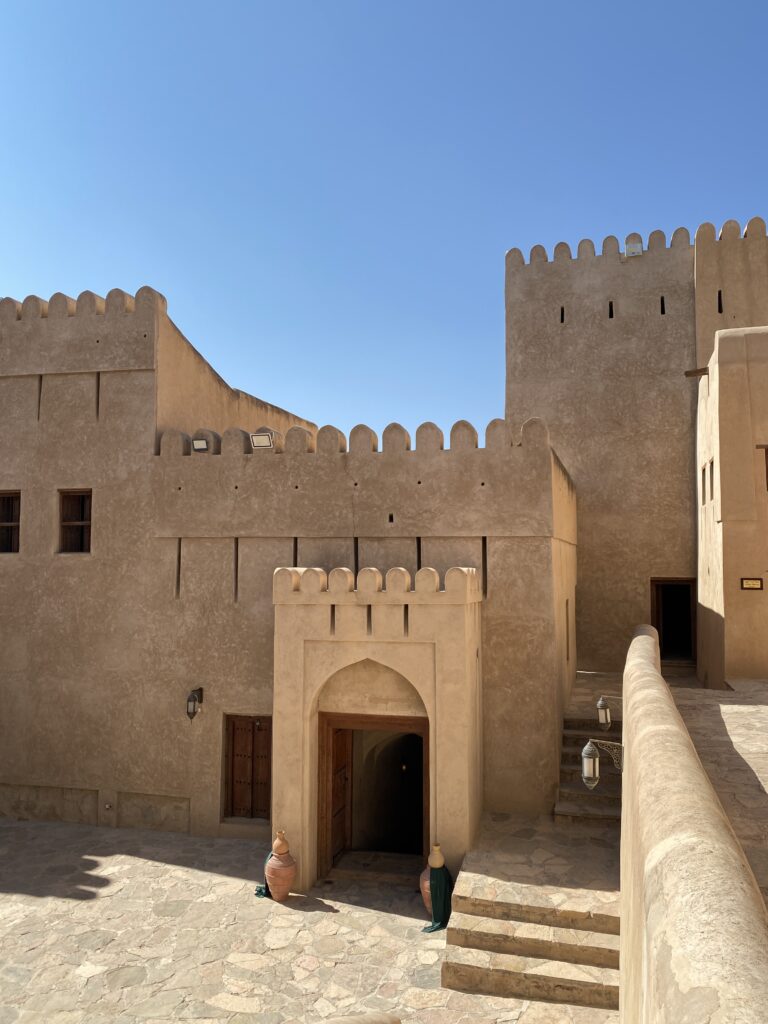
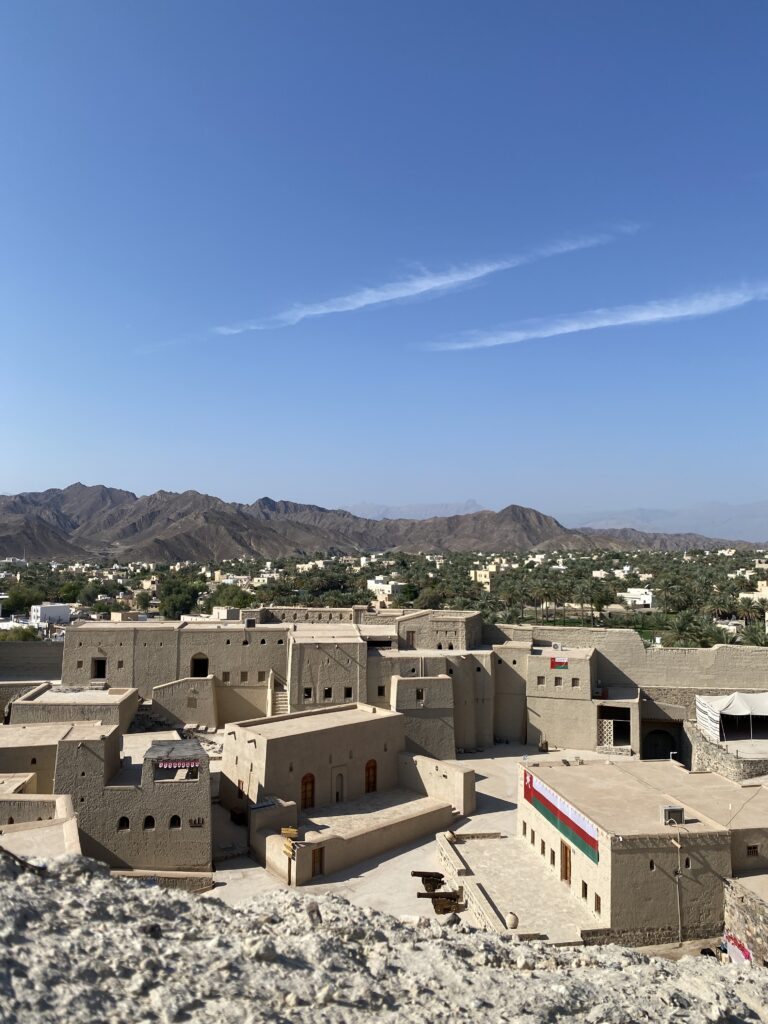
Nizwa Fort was a clear highlight. Built in the 17th century, it once served as a stronghold to defend the city and control trade routes. The massive circular tower offers panoramic views over the oasis and surrounding mountains. Right next to it, the Nizwa Souq provides an authentic glimpse into daily life, with traders selling silver jewelry, pottery, spices, and traditional Omani goods.
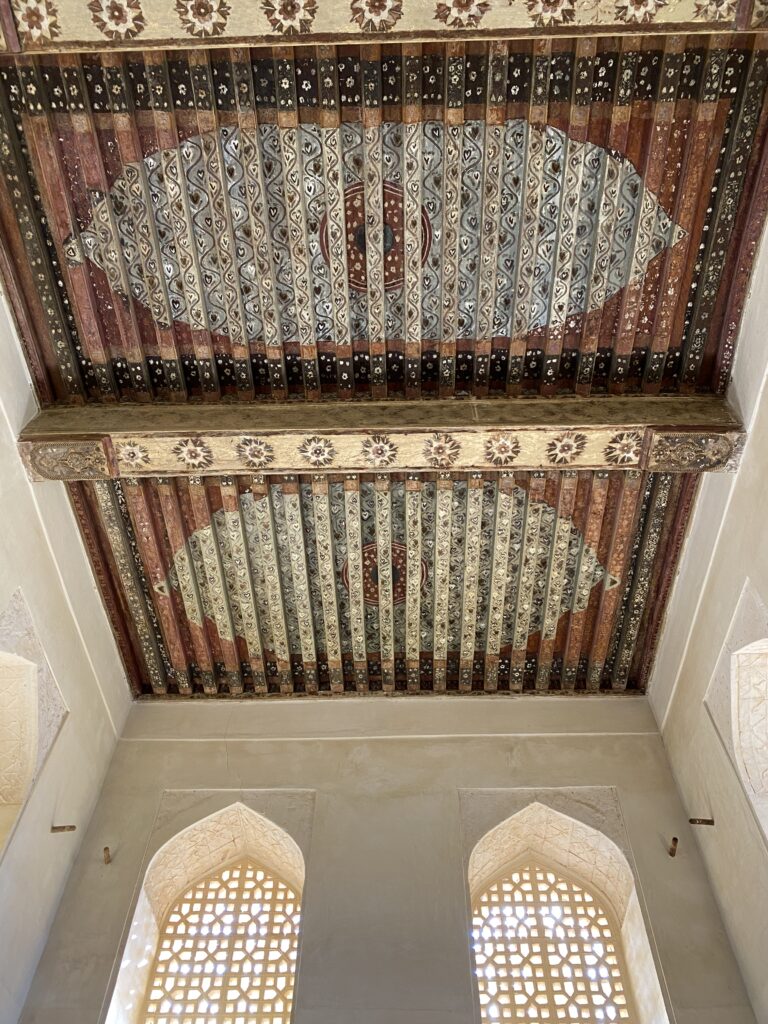
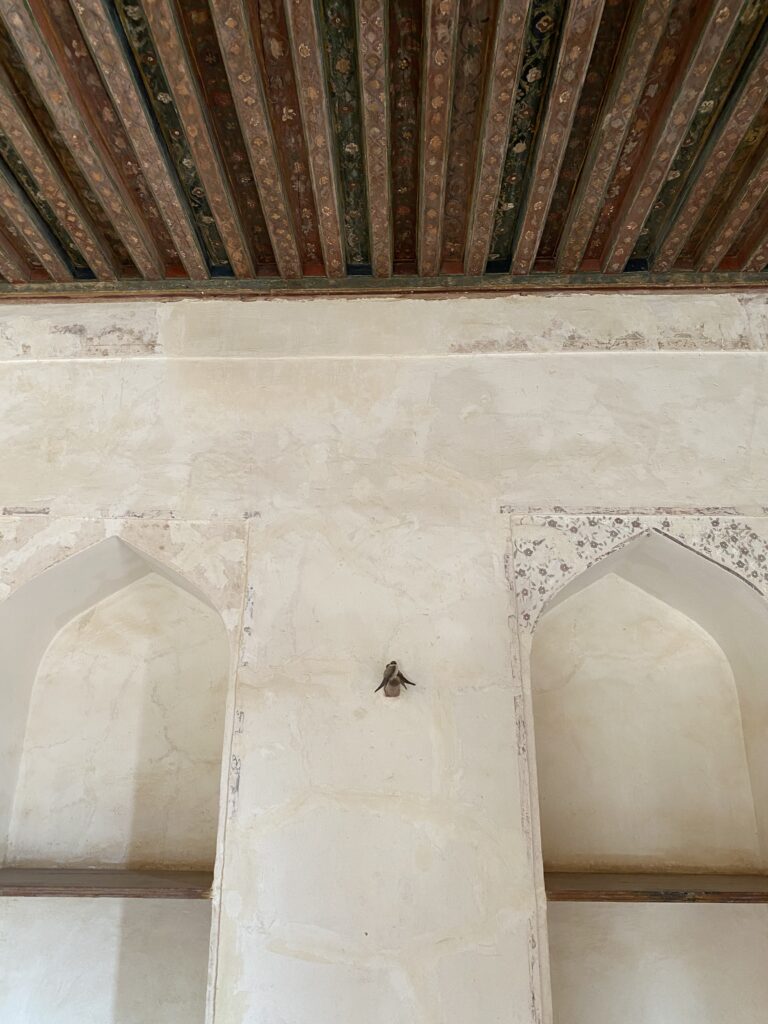
Bahla Fort, a UNESCO World Heritage Site, is one of the oldest and most impressive forts in Oman. Its origins date back over 700 years, and it played a key role during the Banu Nebhan dynasty. Jabreen Castle, built in the 17th century, is known for its beautifully decorated ceilings, Islamic inscriptions, and its function as a center of learning rather than pure defense. The day ended in Jebel Akhdar, part of the Al Hajar mountain range, famous for its dramatic landscapes and cooler climate.
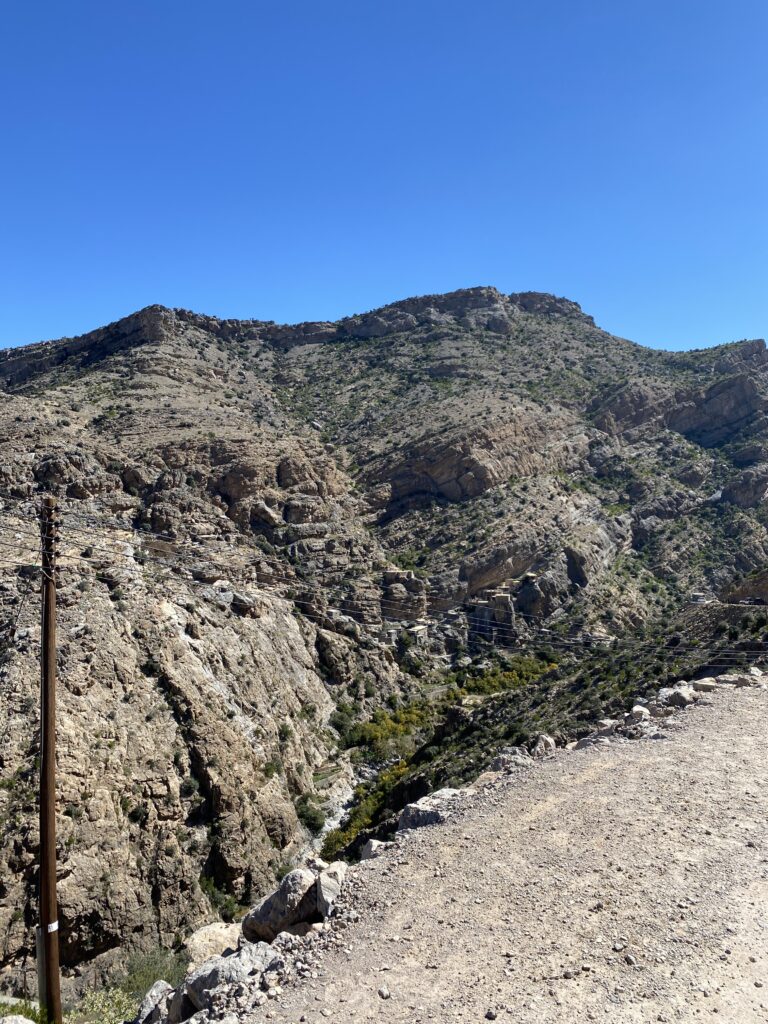
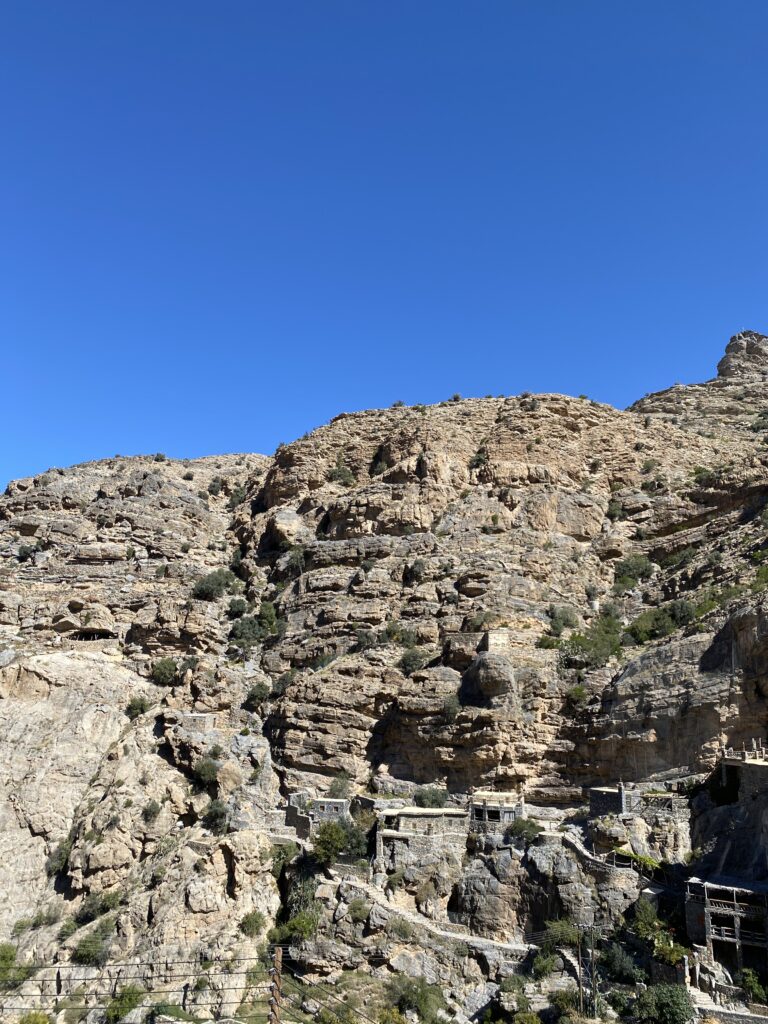
The second day trip led deep into the mountains and felt like a true adventure. To reach Suwgra Village, travelers must pass a checkpoint where only vehicles with all-wheel drive are permitted. An experienced driver is strongly recommended, as the roads are narrow, rocky, and run close to steep cliffs. In good weather, the journey is thrilling and unforgettable. During rain, however, earth slides can occur, making the route dangerous.
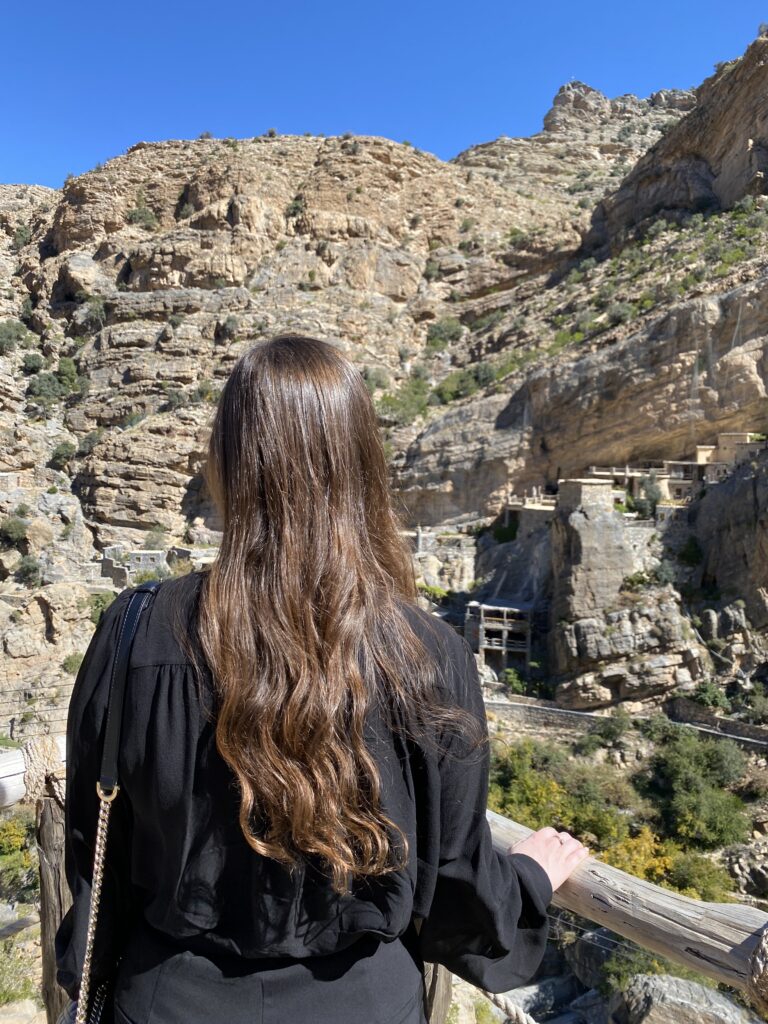
Suwgra Village is a hidden gem tucked into the mountains, where life continues much as it did centuries ago. Stone houses cling to the cliffs, and traditions are preserved in a way rarely seen today. Walking through the village feels like stepping back in time and offers a deep connection to Oman’s cultural heritage.
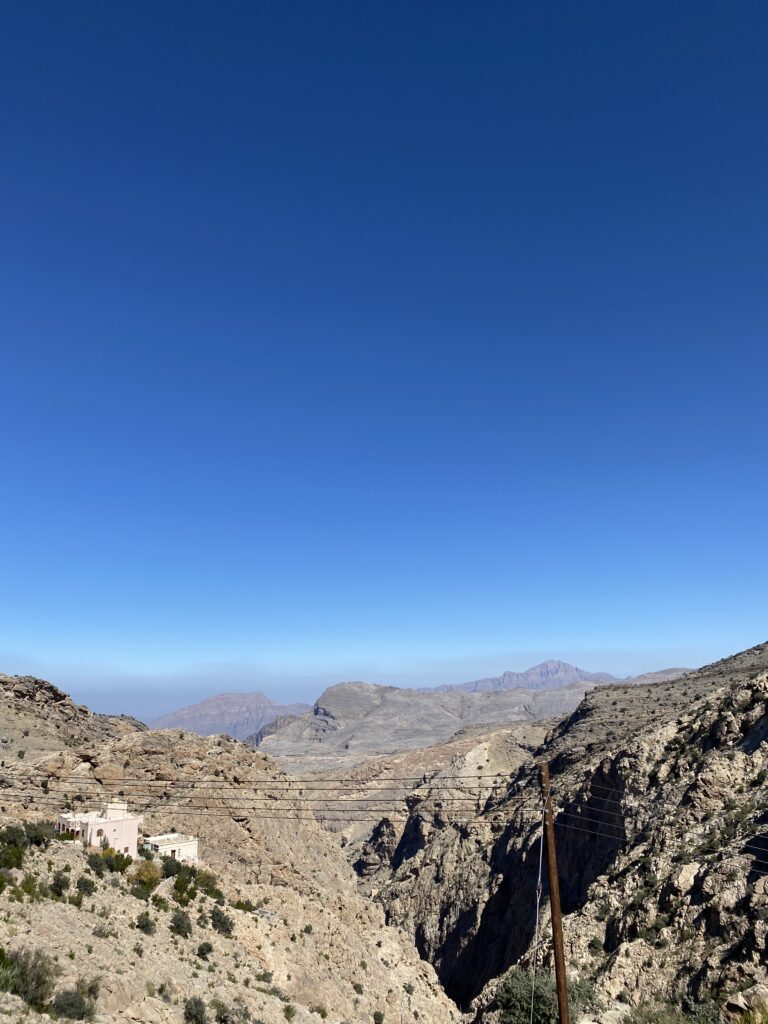
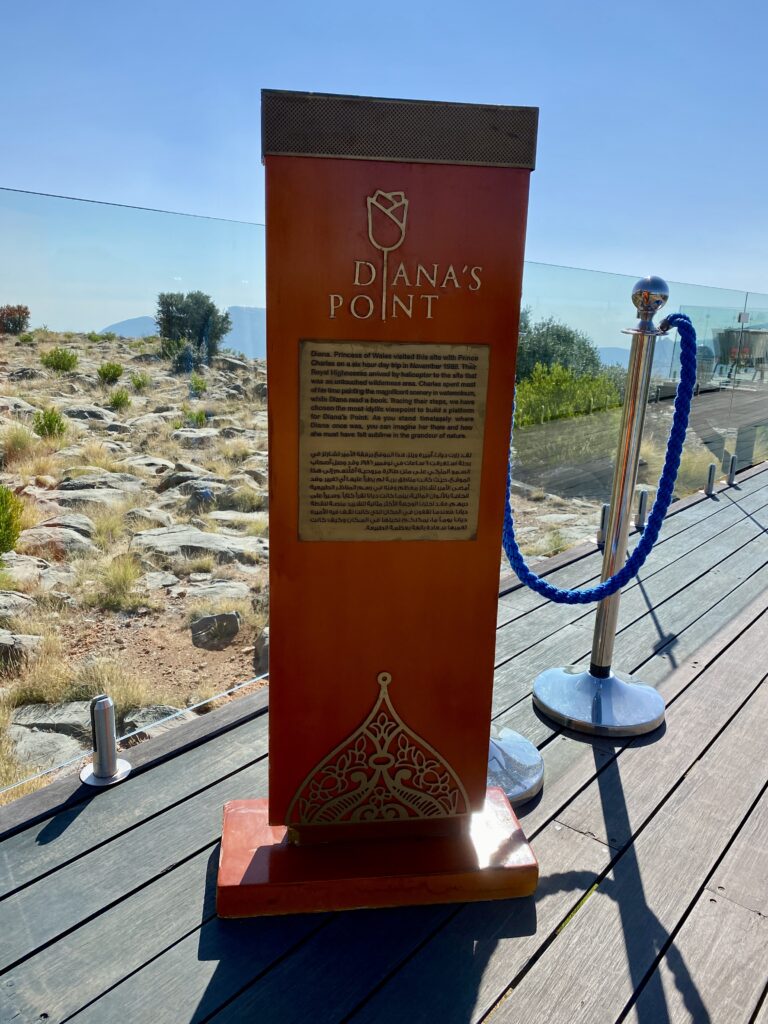
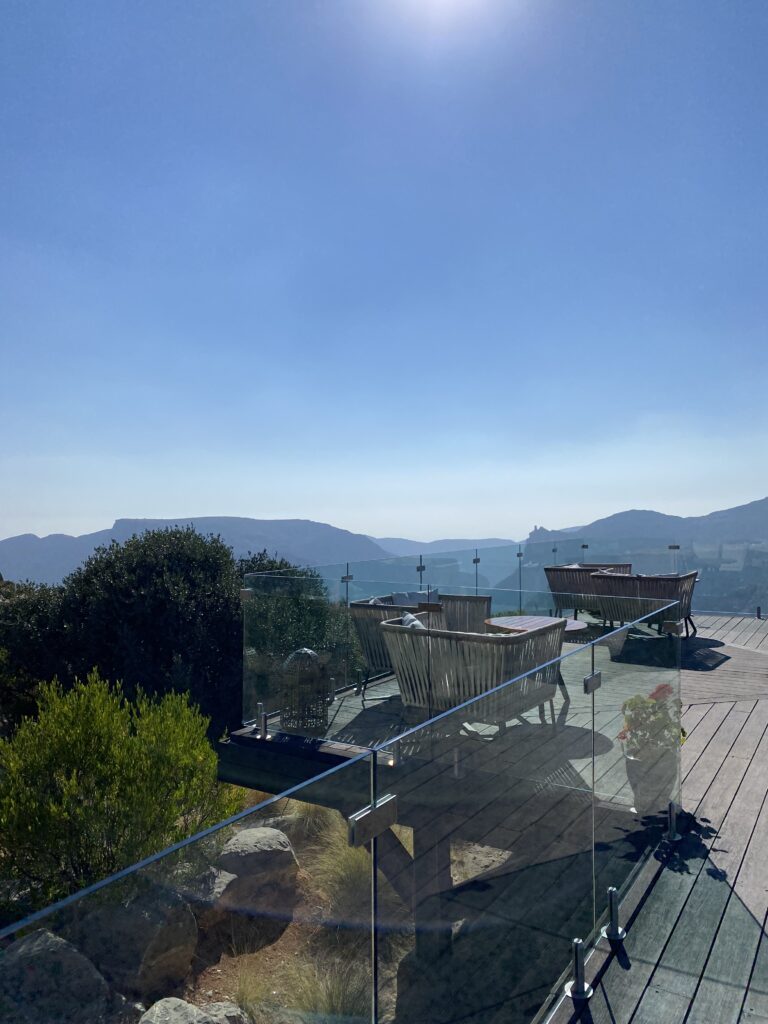
On the way back, lunch at the Anantara Al Jabal Al Akhdar Resort was a perfect finale. The resort is home to Diana’s Viewpoint, named after Princess Diana, who visited the location in November 1986. The views across the canyon are breathtaking, the mountain air is pleasantly fresh, and the setting perfectly captures the serene beauty of Oman’s highlands.
Places You Cannot Miss in Muscat: Culture, Heritage and Highlights
Muscat offers a fascinating mix of tradition, religion, and refined culture, and there are a few places that should be on every itinerary when visiting Oman’s capital.
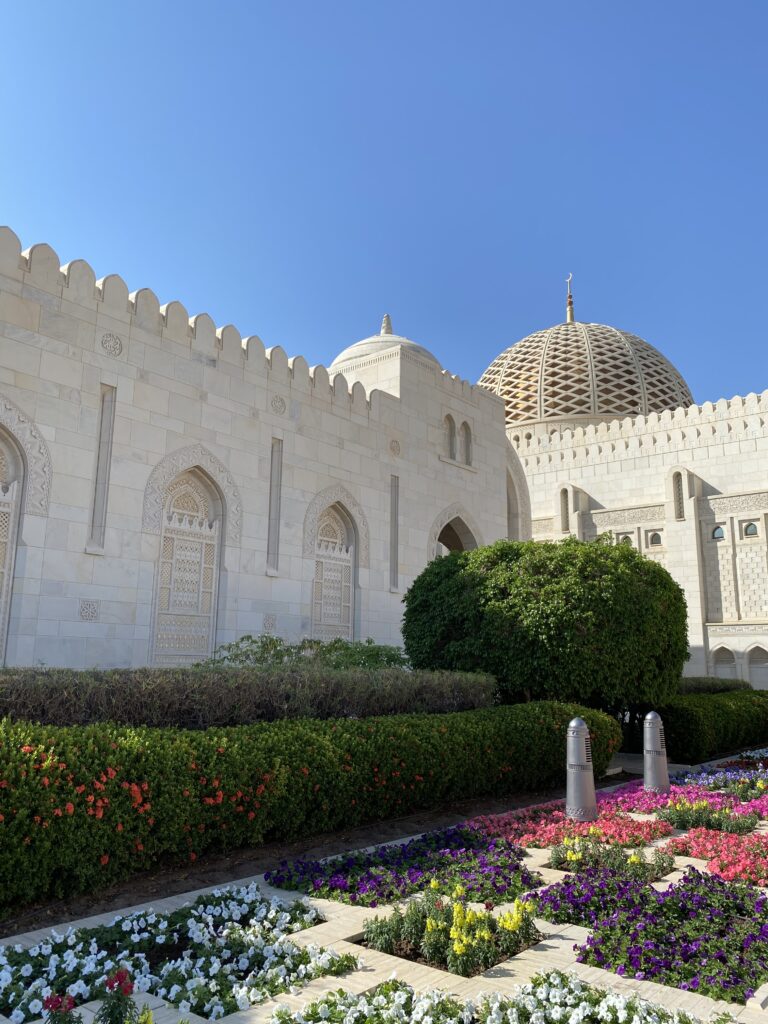
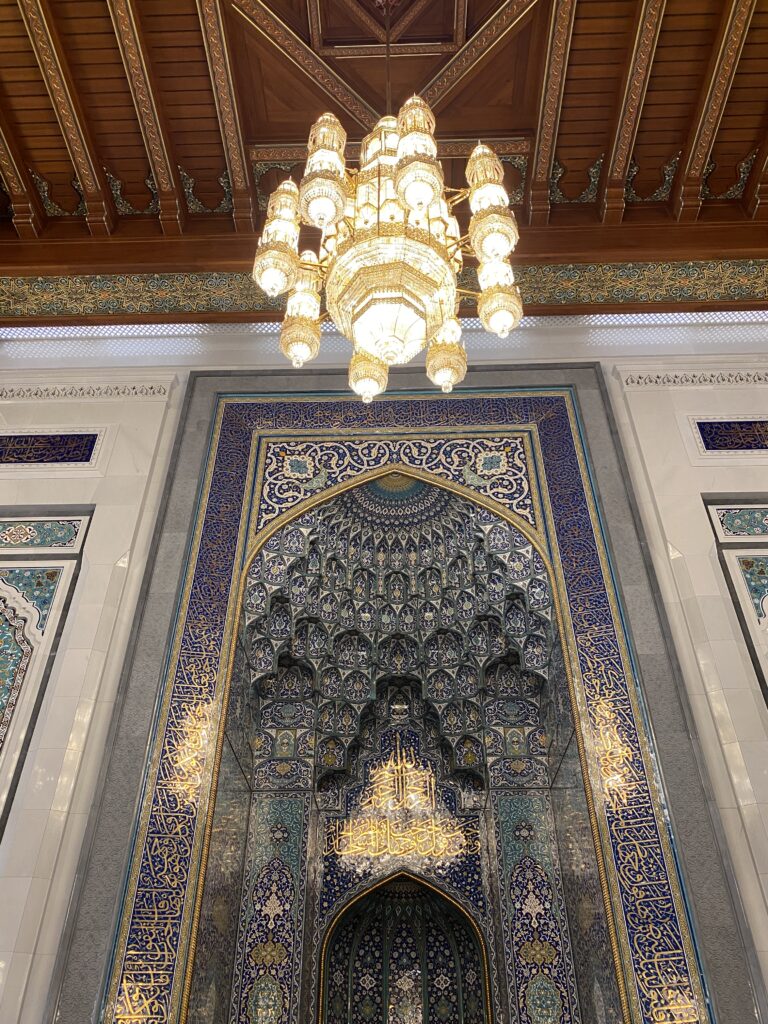
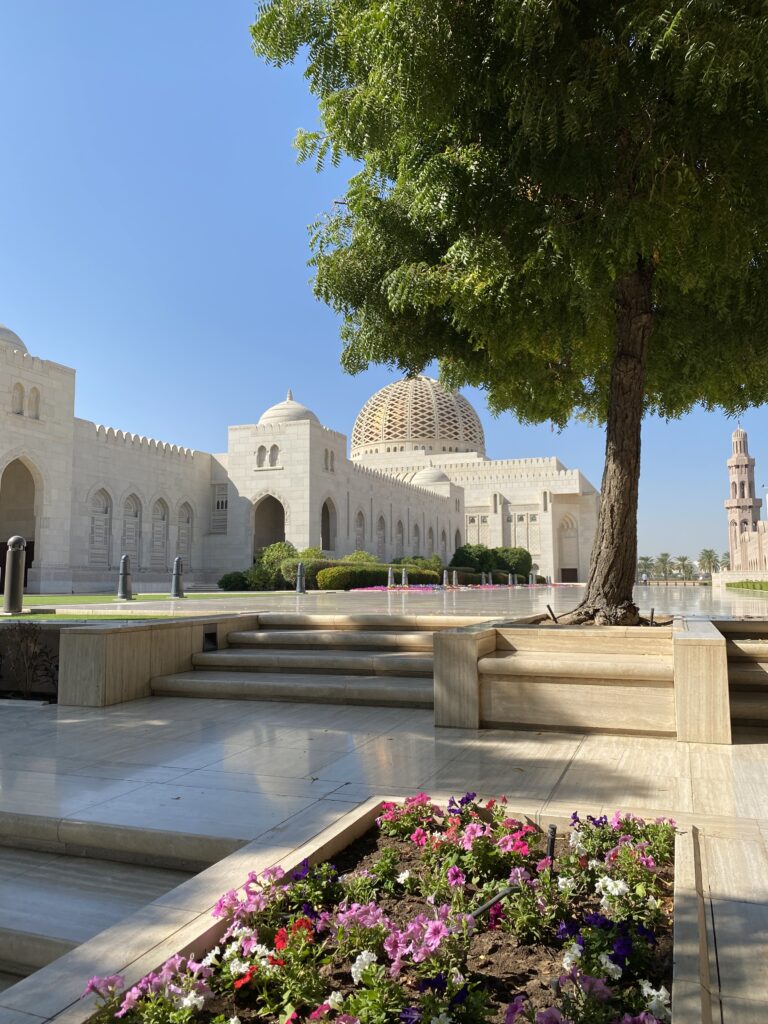
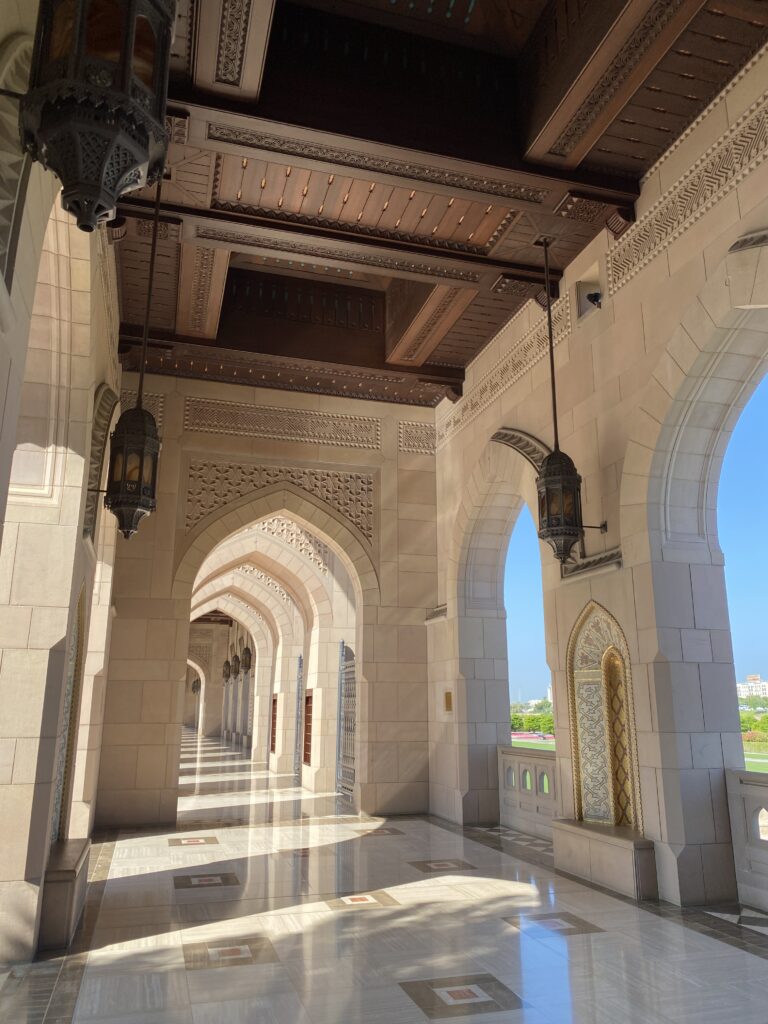
The most obvious and most impressive landmark is the Sultan Qaboos Grand Mosque. Opened in 2001, it is one of the largest mosques in the Middle East and a masterpiece of modern Islamic architecture. The mosque can accommodate over 20,000 worshippers and is famous for its enormous handwoven Persian carpet and one of the world’s largest chandeliers. Visitors are welcome outside of prayer times, but appropriate clothing is mandatory. Arms, legs, and hair must be covered, and shoes have to be removed before entering. Personally, wearing an Abaya and head scarf during the visit felt natural and respectful, and it enhanced the experience of stepping into such a spiritual and elegant space.
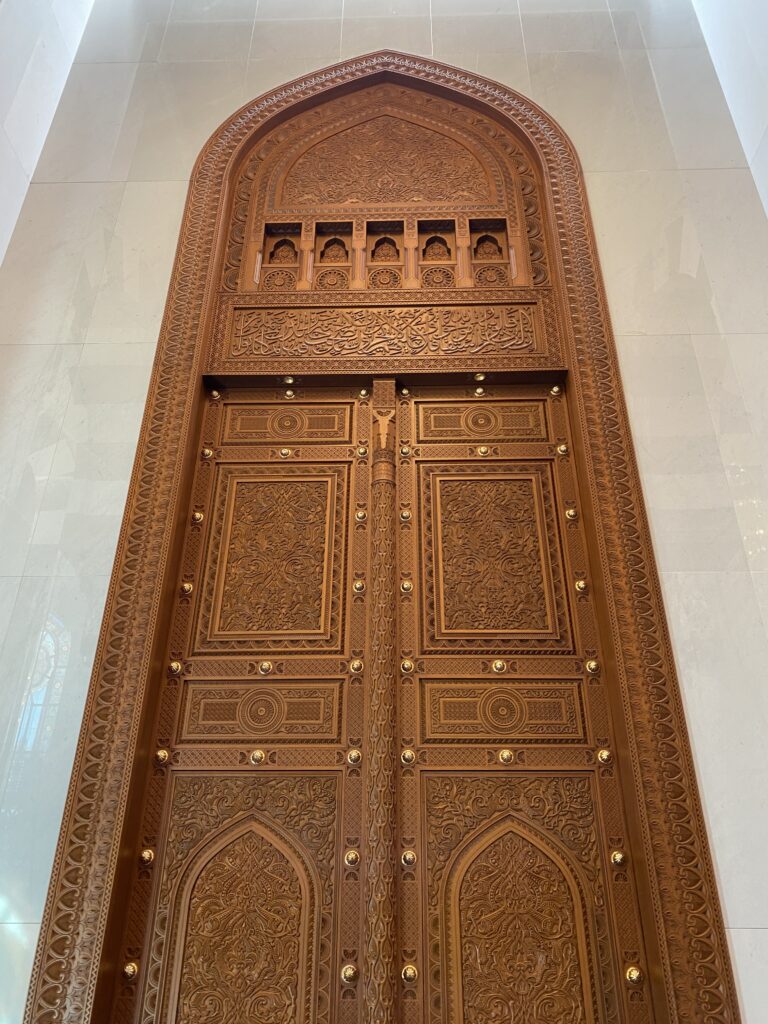
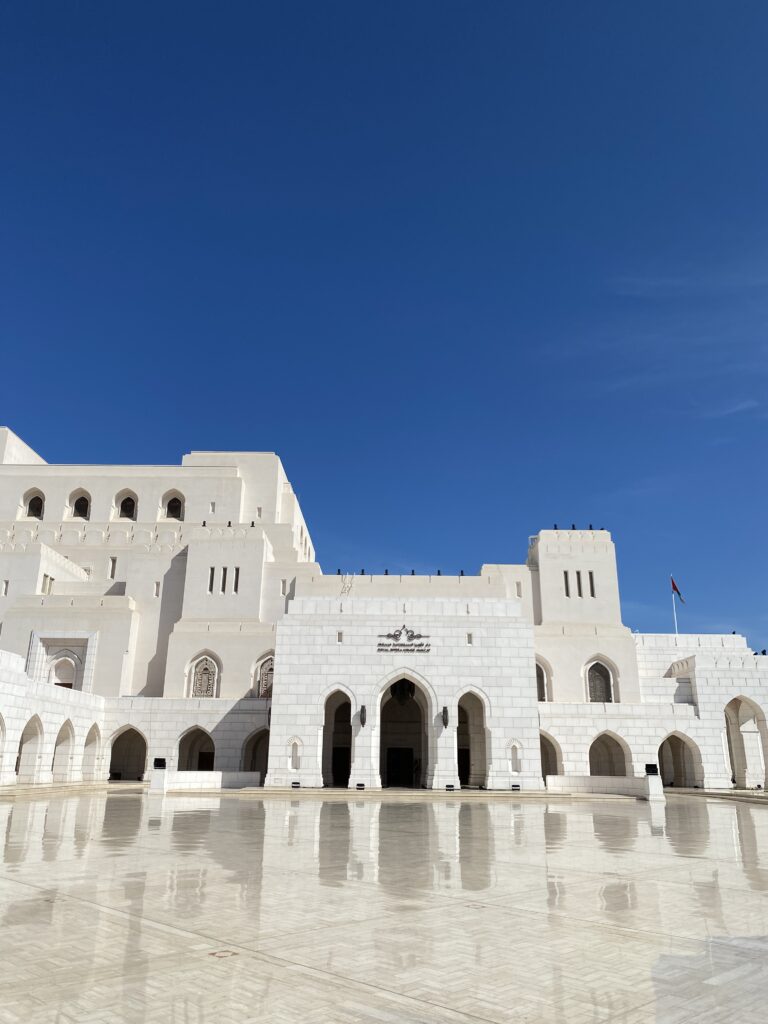
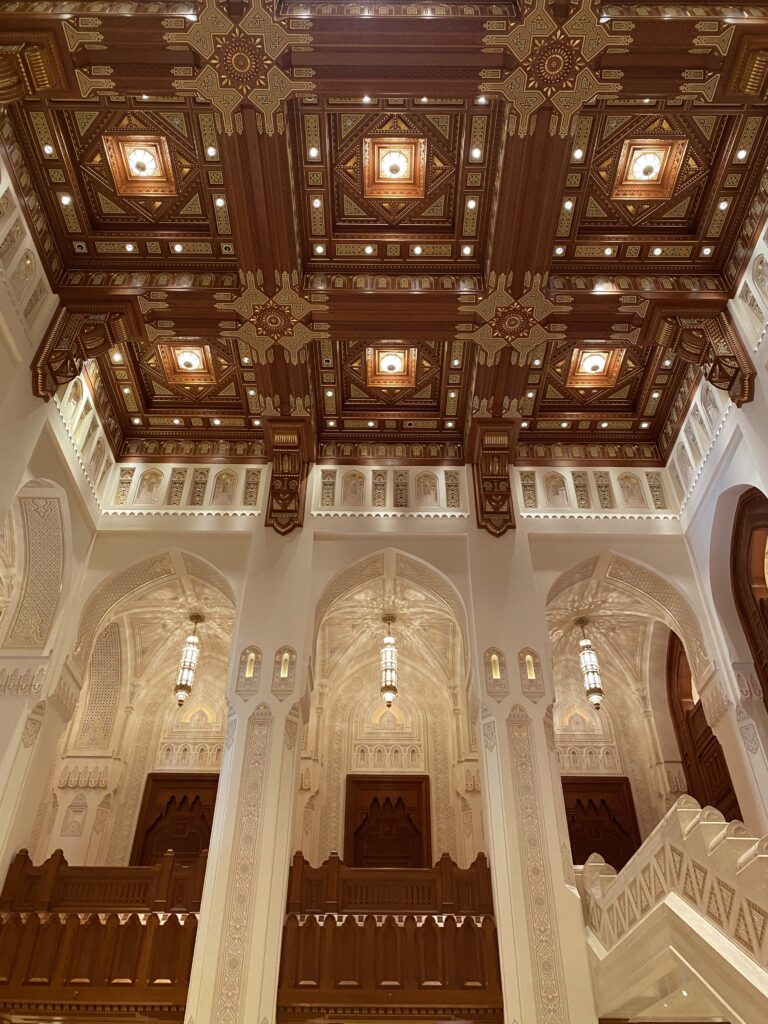
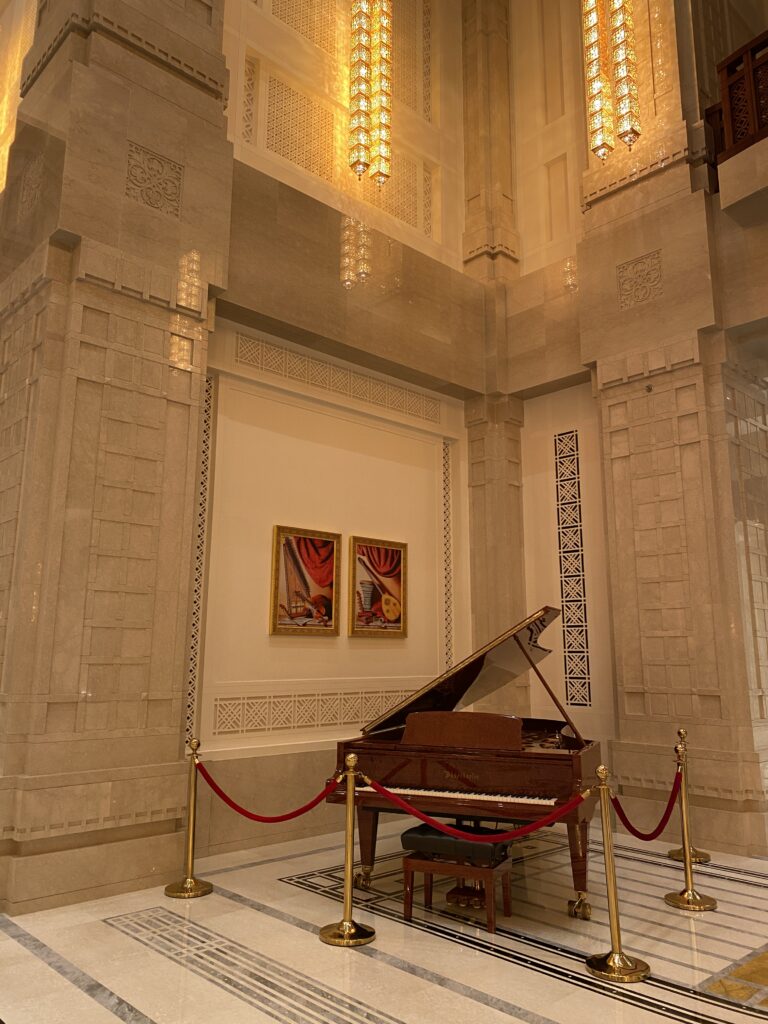
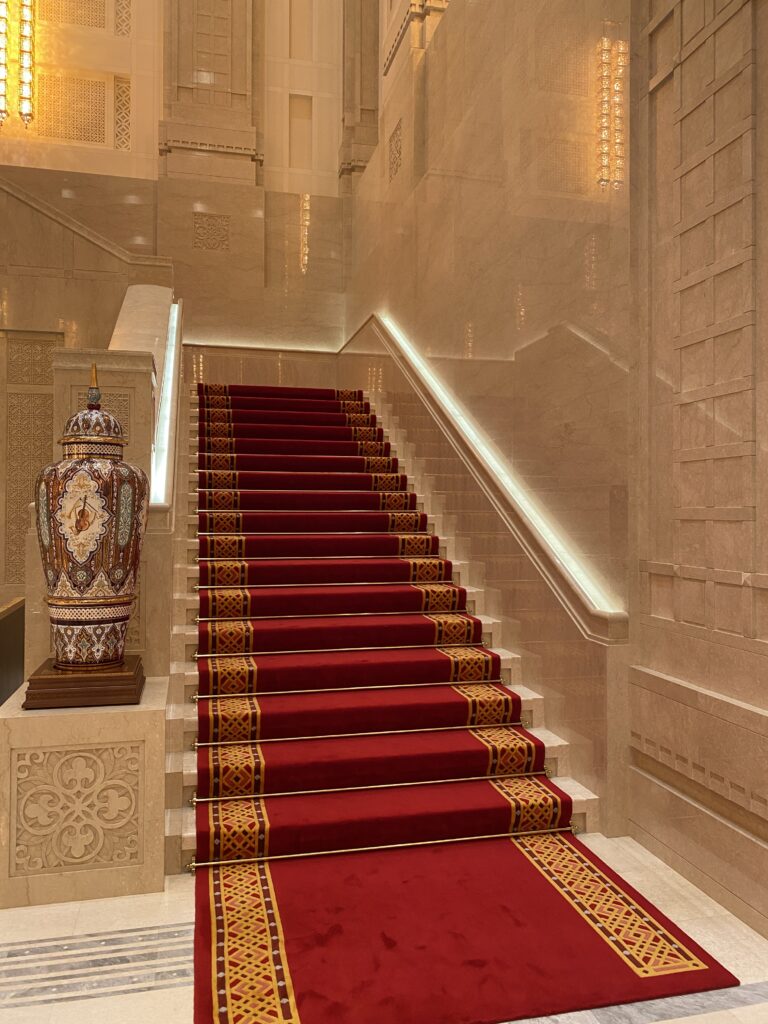
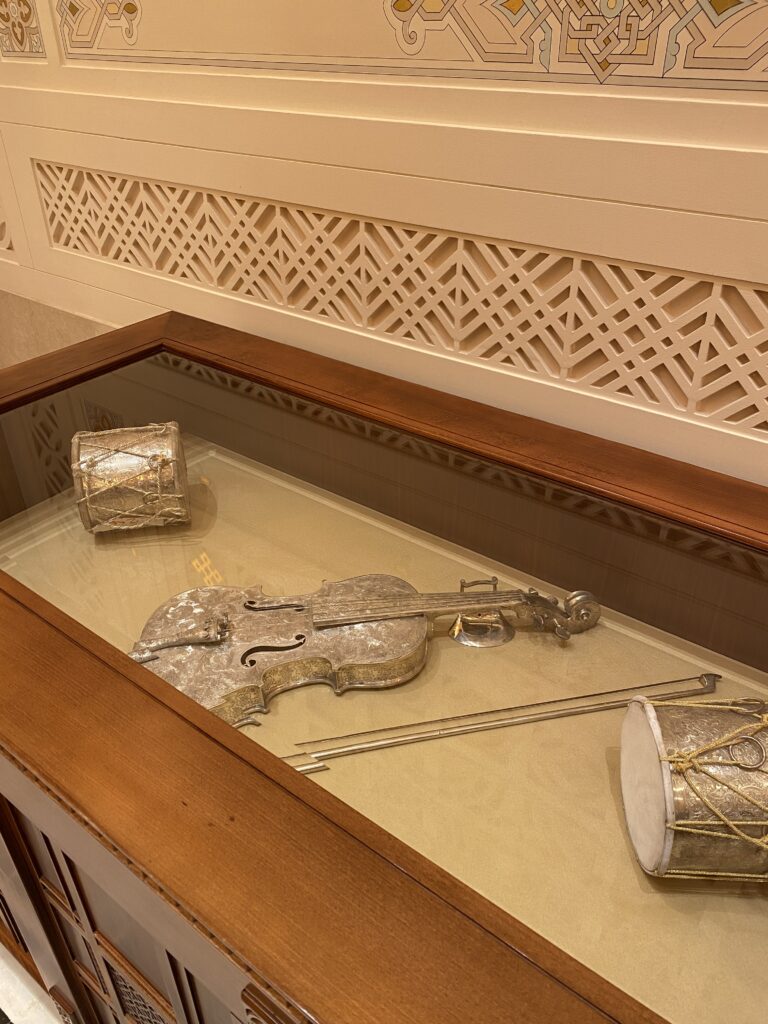
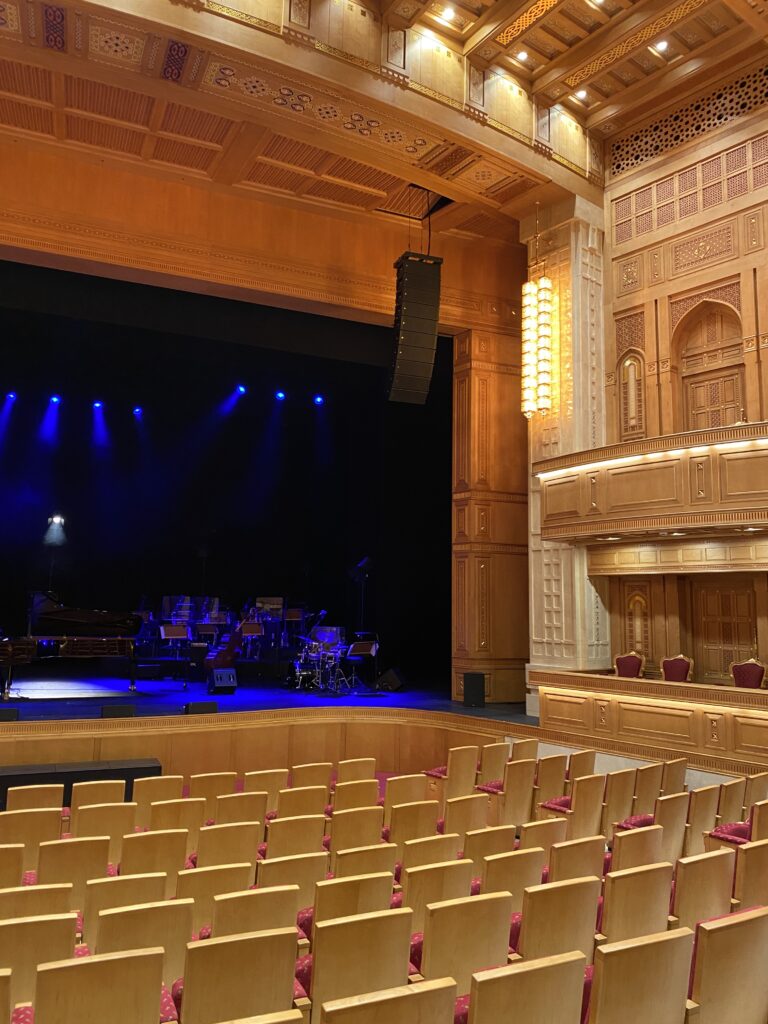
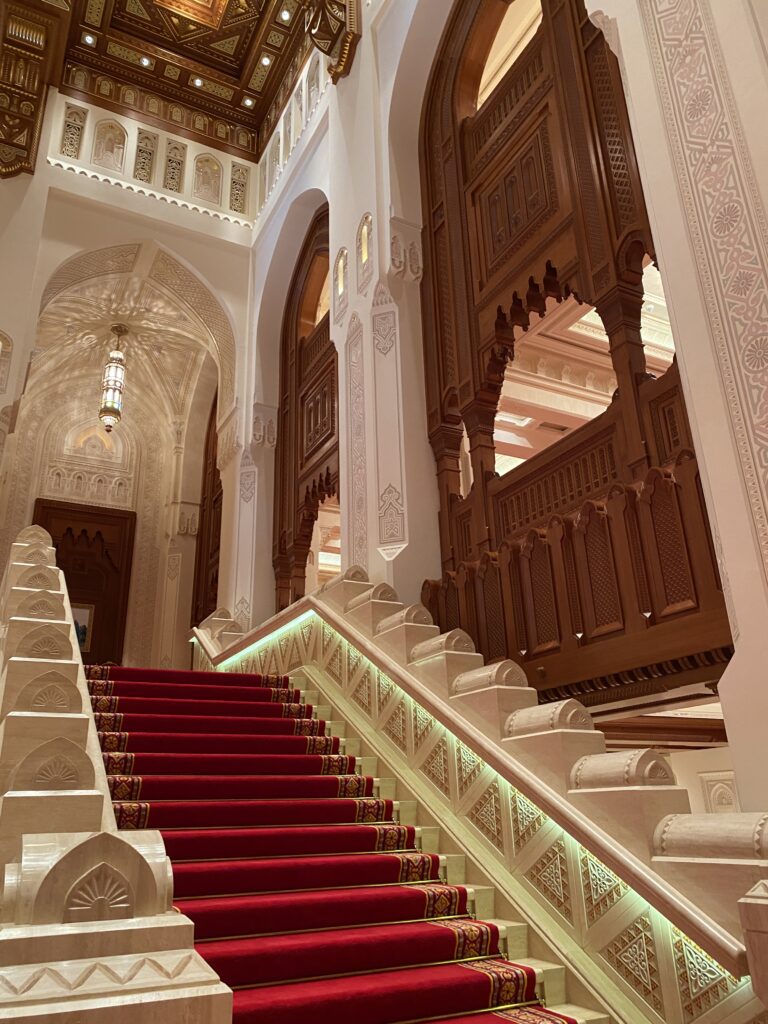
Another cultural highlight in Muscat is the Royal Opera House Muscat, a symbol of Oman’s openness to art and international culture. The opera house reflects the late Sultan Qaboos’ deep love for classical Western music and the arts. His vision was to create a venue that connects Omani heritage with global cultural expression. Attending a jazz concert here was a memorable experience, not only because of the high-quality acoustics and elegant architecture, but also because it shows a different, more contemporary side of Oman that many travelers do not expect.
The Mutrah Souq is often listed as a must-see, and while it is worth a visit for its location along the corniche and its traditional atmosphere, it was personally the least satisfying stop. Compared to the diversity and authenticity of the Nizwa Souq, Mutrah Souq felt relatively small. Many of the shops sell very similar products, mainly souvenirs, incense, and textiles, which makes the experience feel somewhat repetitive rather than exploratory.
In conclusion, Muscat stands out for its strong sense of heritage, well-preserved traditions, and thoughtful balance between past and present. From the spiritual calm of the Grand Mosque to the cultural elegance of the Royal Opera House and the city’s historic markets, Muscat offers meaningful highlights rather than overwhelming attractions. It is a city that invites visitors to slow down, observe, and truly appreciate Oman’s cultural identity.